
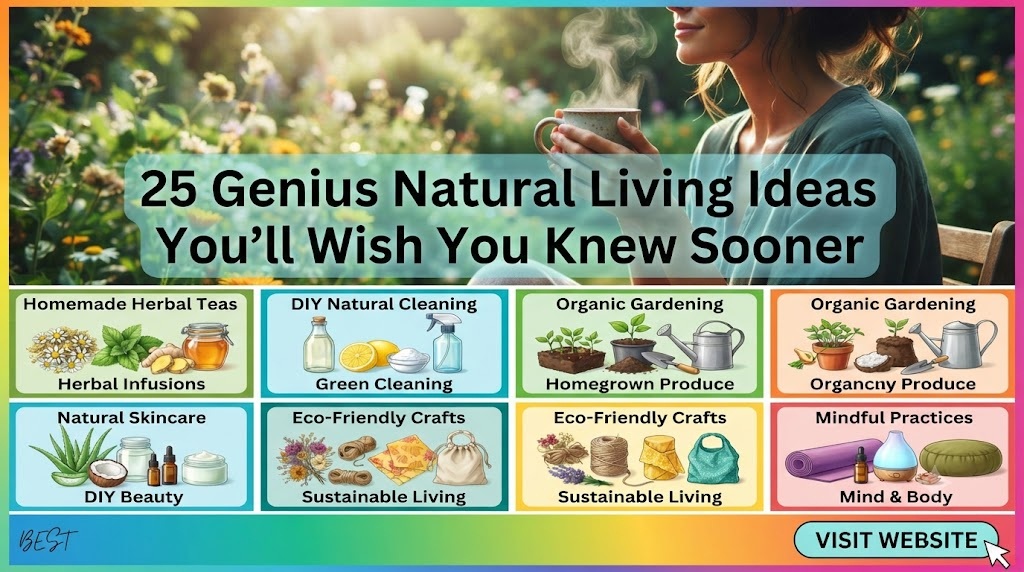
25 Smart Natural Living Ideas
In an era dominated by synthetic materials, ultra-processed foods, and a constant barrage of digital stimuli, the concept of “natural living” has transitioned from a niche lifestyle to a necessary revolution. Natural living is not about retreating to a cave; it is about making intentional choices that align our daily habits with the biological needs of our bodies and the ecological needs of the planet. It is about reclaiming the wisdom of our ancestors and marrying it with modern scientific understanding to create a life of vitality, sustainability, and simplicity.
This comprehensive guide explores 25 smart natural living ideas, complete with detailed recipes, instructions, and the “why” behind each shift. Whether you are a seasoned homesteader or a city dweller looking to reduce your toxic load, these ideas will provide a roadmap to a cleaner, more vibrant existence.
1. Master the Art of Sourdough Fermentation
The transition from commercial bread to sourdough is one of the most profound changes you can make for your gut health. Commercial bread is often produced with rapid-rise yeast and additives that don’t allow for the breakdown of phytic acid. Sourdough, however, utilizes wild yeast and lactic acid bacteria.
The Benefit: The long fermentation process predigests the starches and neutralizes phytic acid (an anti-nutrient that binds to minerals), making the nutrients more bioavailable and the bread easier to digest.
The Recipe: Basic Sourdough Starter
- Ingredients: Whole wheat flour (or rye) and filtered water.
- Day 1: Mix 50g flour and 50g water in a glass jar. Cover loosely with a cloth.
- Day 2-7: Discard half the mixture and add another 50g flour and 50g water. Repeat every 24 hours.
- Success Indicator: Once the mixture consistently doubles in size within 4-6 hours of feeding and smells pleasantly tangy/fruity, it is ready to bake.
2. Transition to Tallow-Based Skincare
For decades, we’ve been told that vegetable oils are the gold standard for skin. However, many seed oils are highly processed and prone to oxidation. Tallow (rendered beef fat) is bio-identical to human sebum, making it incredibly compatible with our skin’s lipid barrier.
The Benefit: Tallow is rich in vitamins A, D, E, and K, along with conjugated linoleic acid (CLA), which has anti-inflammatory properties.
The Recipe: Whipped Tallow Balm
- Ingredients: 1 cup grass-fed beef tallow, 1/4 cup extra virgin olive oil or jojoba oil, 10-15 drops of lavender essential oil.
- Process: Gently melt the tallow in a double boiler. Stir in the liquid oil. Let it cool in the fridge until it’s semi-solid (opaque but soft). Use a hand mixer to whip the mixture until it reaches a buttercream frosting consistency. Store in a glass jar.
3. Brew Your Own Fire Cider
Fire cider is a traditional folk remedy popularized by herbalist Rosemary Gladstar. It is a potent tonic designed to boost the immune system and stimulate digestion.
The Benefit: It acts as a natural decongestant, antiviral, and circulatory stimulant.
The Recipe: Traditional Fire Cider
- Ingredients: 1/2 cup grated horseradish root, 1/2 cup grated ginger root, 10 cloves of minced garlic, 2 chopped jalapeño peppers, 1 sliced lemon, 1 tbsp turmeric powder, raw apple cider vinegar (ACV), raw honey.
- Process: Place all ingredients (except honey) in a quart-sized glass jar. Fill to the top with ACV. Let it sit in a dark cupboard for 4 weeks, shaking daily. Strain out the solids, mix in 1/4 cup honey (or to taste), and take a tablespoon daily during winter months.
4. Eliminate “Fragrance” with Essential Oil Diffusers
In the world of natural living, “fragrance” or “parfum” is a dirty word. These terms are often umbrella labels for hundreds of undisclosed chemicals, including phthalates, which are known endocrine disruptors.
The Idea: Replace plug-in air fresheners and scented candles with high-quality ultrasonic diffusers. The Blend for Focus: 3 drops Peppermint, 3 drops Lemon, 2 drops Rosemary. The Blend for Sleep: 4 drops Lavender, 2 drops Cedarwood, 1 drop Bergamot.
5. Make Your Own Non-Toxic All-Purpose Cleaner
Most commercial cleaners contain ammonia, bleach, and synthetic surfactants that can irritate the respiratory system and harm aquatic life.
The Recipe: Citrus-Infused Vinegar Cleaner
- Ingredients: Citrus peels (lemon, orange, or grapefruit), white distilled vinegar, water.
- Process: Fill a glass jar halfway with citrus peels. Pour vinegar over them until covered. Let sit for 2 weeks. Strain the liquid and mix it 1:1 with filtered water in a spray bottle. The acidity of the vinegar kills bacteria, while the citrus oils provide degreasing power and a fresh scent.
6. Adopt the Oil Cleansing Method (OCM)
Washing your face with harsh soaps strips away natural oils, causing the skin to overcompensate by producing more oil. The Oil Cleansing Method works on the principle that “like dissolves like.”
The Benefit: Deeply cleanses pores without disrupting the skin’s pH or moisture barrier.
The Process:
- Mix 70% Sunflower oil (or Jojoba) with 30% Castor oil.
- Massage a small amount onto a dry face for 2 minutes.
- Place a hot (not scalding) washcloth over your face and let it steam for 30 seconds.
- Gently wipe away the oil.
7. Craft Elderberry Syrup for Immune Support
Elderberries are packed with antioxidants and vitamins that may boost the immune system. They have been used for centuries to shorten the duration of colds and flu.
The Recipe: Homemade Elderberry Syrup
- Ingredients: 1 cup dried elderberries, 4 cups water, 1 cinnamon stick, 1 tsp cloves, 2 tbsp ginger root, 1 cup raw honey.
- Process: Simmer berries and spices in water for 45 minutes until the liquid is reduced by half. Mash the berries to release juice, then strain. Once the liquid is lukewarm, stir in the honey. Store in the fridge for up to 3 months.
8. Grow a “Kitchen Pharmacy” Herb Garden
Even if you live in an apartment, a windowsill herb garden provides fresh flavors and immediate access to natural remedies.
Smart Herbs to Grow:
- Peppermint: For digestive upset and headaches.
- Lemon Balm: For anxiety and sleep support.
- Thyme: A powerful antiseptic for sore throats.
- Aloe Vera: For burns and skin irritations.
- Calendula: To make skin-healing salves.
9. Switch to Magnesium Oil for Better Sleep
Modern soil depletion means many of us are deficient in magnesium. Transdermal (skin) application is an effective way to boost levels without the digestive upset sometimes caused by oral supplements.
The Recipe: DIY Magnesium Spray
- Ingredients: 1/2 cup Magnesium Chloride Flakes, 1/2 cup distilled water.
- Process: Boil the water and pour it over the flakes. Stir until dissolved. Once cool, transfer to a glass spray bottle. Spray on legs or stomach before bed. (Note: It may tingle initially; this is normal for low magnesium levels).
10. Implement “Earthing” or Grounding
Earthing is the practice of walking barefoot on the earth (grass, sand, or dirt). Modern shoes with rubber soles insulate us from the Earth’s natural electric charge.
The Benefit: Research suggests grounding can reduce inflammation, improve sleep, and lower cortisol levels by neutralizing free radicals through the transfer of electrons from the earth to the body. Aim for 20 minutes a day.
11. Replace Plastic Wraps with Beeswax Wraps
Single-use plastics are a major environmental pollutant and can leach chemicals into your food.
The Recipe: DIY Beeswax Wraps
- Materials: Cotton fabric scraps, 1/2 cup beeswax pellets, 2 tbsp pine rosin, 1 tbsp jojoba oil.
- Process: Melt ingredients in a double boiler. Use a paintbrush to coat the fabric pieces. Place on a parchment-lined baking sheet in a 200°F (95°C) oven for 2 minutes to let the wax soak in. Hang to dry. These last for a year and are compostable.
12. Drink “Living” Water with Proper Filtration
Tap water often contains chlorine, fluoride, heavy metals, and microplastics. However, many filters remove essential minerals.
The Idea: Use a high-quality gravity filter (like a Berkey) or a reverse osmosis system with a remineralization stage. The Pro Tip: Add a pinch of high-quality sea salt (like Redmond Real Salt) to your filtered water to restore electrolytes and improve cellular hydration.
13. Create a Backyard (or Balcony) Compost System
Composting reduces landfill waste and creates “black gold” for your garden. It turns kitchen scraps into nutrient-dense soil.
The Method:
- Greens (Nitrogen): Fruit and veggie scraps, coffee grounds.
- Browns (Carbon): Dried leaves, cardboard, shredded paper.
- Ratio: 3 parts browns to 1 part greens. Keep it moist like a wrung-out sponge and turn it every few weeks to aerate.
14. Swap Synthetic Detergent for Soap Nuts or DIY Powder
Conventional laundry detergents often contain optical brighteners and synthetic scents that linger in clothing and absorb into the skin.
The Recipe: Simple Laundry Powder
- Ingredients: 1 bar of grated castile soap, 1 cup washing soda, 1 cup baking soda.
- Process: Mix thoroughly. Use 1–2 tablespoons per load. For a natural softener, add 1/2 cup white vinegar to the rinse cycle.
15. Prioritize Circadian Light Exposure
Natural living includes aligning your biology with the sun. Exposure to bright light in the morning and reducing blue light in the evening regulates your circadian rhythm.
The Habit:
- Spend 10 minutes outside within an hour of waking up.
- Switch to amber-toned bulbs in the evening.
- Use “Blue Light Blocking” glasses if using screens after sunset.
16. Make Your Own Probiotic Sauerkraut
Cabbage contains the bacteria Lactobacillus on its leaves. Through lacto-fermentation, these bacteria multiply, creating a probiotic powerhouse.
The Recipe: 2-Ingredient Sauerkraut
- Ingredients: 1 head of cabbage, 1.5 tbsp sea salt.
- Process: Shred the cabbage finely. In a large bowl, massage the salt into the cabbage for 10 minutes until a “brine” forms. Pack it tightly into a glass jar, ensuring the liquid covers the cabbage completely. Use a weight to keep it submerged. Let it sit at room temperature for 2-4 weeks.
17. Practice Dry Brushing for Lymphatic Health
The lymphatic system is responsible for removing waste from the body, but it doesn’t have a pump (like the heart). It relies on movement and stimulation.
The Benefit: Dry brushing exfoliates skin and stimulates lymphatic drainage, potentially reducing cellulite and improving circulation. The Technique: Use a natural bristle brush on dry skin before showering. Use long, sweeping strokes toward the heart, starting at the feet and moving up.
18. Use Clay-Based Toothpaste
Commercial toothpastes often contain sodium lauryl sulfate (a foaming agent) and artificial sweeteners.
The Recipe: Remineralizing Toothpowder
- Ingredients: 4 tbsp Bentonite clay, 1 tsp baking soda, 1 tsp cinnamon, 1/2 tsp ground cloves, 5 drops peppermint essential oil.
- Process: Mix with a wooden or plastic spoon (clay should not touch metal as it deactivates its drawing properties). Dip a damp toothbrush into the powder and brush as usual.
19. Natural Hair Care: The Apple Cider Vinegar Rinse
Shampoos can strip the hair’s natural oils, while conditioners often contain silicones that coat the hair.
The Recipe: Clarifying ACV Rinse
- Ingredients: 1 part raw ACV, 4 parts water.
- Process: After shampooing (or using a castile soap-based wash), pour the mixture over your hair. Let it sit for a minute, then rinse. It balances the pH of the scalp and flattens the hair cuticle for incredible shine.
20. Introduce Indoor Air-Purifying Plants
According to the NASA Clean Air Study, certain houseplants can filter volatile organic compounds (VOCs) like formaldehyde and benzene from indoor air.
Top 5 Plants:
- Snake Plant: Absorbs CO2 and releases oxygen at night.
- Spider Plant: Great for removing carbon monoxide.
- Peace Lily: Filters mold spores and formaldehyde.
- Aloe Vera: Heals skin and cleanses the air.
- Pothos: Virtually indestructible and removes various toxins.
21. Make Slow Fashion a Priority
Natural living extends to what we wear. Synthetic fabrics like polyester and nylon are essentially plastic and can trap toxins against the skin.
The Idea: Choose natural fibers—organic cotton, linen, wool, and hemp. These materials are breathable, biodegradable, and often produced with fewer toxic dyes. Repair your clothes, buy second-hand, and invest in high-quality pieces that last for years.
22. Harness the Power of Bone Broth
Bone broth is an ancient “superfood” that is exceptionally high in collagen, glycine, and proline—amino acids that support gut lining repair, joint health, and skin elasticity.
The Recipe: Slow Cooker Bone Broth
- Ingredients: 2-3 lbs of grass-fed beef bones or a chicken carcass, 2 tbsp ACV (to help pull minerals from the bones), 1 onion, 2 carrots, 2 stalks celery, enough water to cover.
- Process: Roast bones at 400°F for 20 minutes for better flavor. Place everything in a slow cooker. Cook on low for 24-48 hours. Strain and store. It should “gel” when cold—that’s the sign of high gelatin content.
23. Create a Natural “First Aid” Salve
Every home needs a “boo-boo” cream for scrapes, bites, and minor burns.
The Recipe: Healing Herbal Salve
- Ingredients: 1 cup olive oil infused with dried calendula and plantain leaves, 1/4 cup beeswax.
- Process: To infuse oil, let herbs sit in oil for 4 weeks in a sunny window, or heat on low for 4 hours in a double boiler. Strain the herbs. Melt the beeswax into the infused oil. Pour into small tins. Both calendula and plantain are exceptionally soothing to damaged skin.
24. Implement a Digital Detox Routine
Natural living isn’t just about chemicals; it’s about the “natural” state of the human mind. Constant notifications fragment our attention and increase stress.
The Strategy:
- No Screens in the Bedroom: Make the bedroom a sanctuary for sleep and intimacy.
- The 20-20-20 Rule: Every 20 minutes, look at something 20 feet away for 20 seconds to reduce eye strain.
- Sunday Sabbath: One day a week, keep the phone off or in a drawer.
25. Eat Seasonally and Locally
Our bodies evolved to eat different foods at different times of the year. Cooling fruits in the summer, grounding root vegetables in the winter.
The Idea: Join a CSA (Community Supported Agriculture) or visit local farmers’ markets. Local food is picked at the peak of ripeness, meaning it has higher nutrient density than produce shipped across the globe. It also builds community and supports local ecology.
Deep Dive: The Philosophy of the Natural Home
Adopting these 25 ideas isn’t about achieving perfection overnight. It’s about a shift in consciousness. When we begin to look at the ingredients in our soap or the origin of our bread, we are practicing mindfulness.
The Toxic Load Concept
Every day, our bodies are exposed to thousands of synthetic chemicals. This is known as our “toxic load.” While the body is equipped with detox organs (liver, kidneys, skin), the sheer volume of modern chemicals can overwhelm these systems. By making the changes listed above—filtering water, using tallow instead of petroleum, and cleaning with vinegar—we are significantly reducing the “burden” on our bodies.
The Role of Microbes
One of the most important aspects of natural living is our relationship with the microbial world. For decades, the trend was to “sanitize everything.” We now know that a sterile environment leads to autoimmune issues and weakened immune systems. By eating fermented foods (Sauerkraut, Sourdough) and spending time in nature (Earthing, Gardening), we are re-inoculating our bodies with the diverse bacteria they need to thrive.
Financial Sustainability
A common misconception is that natural living is expensive. While some items (like a high-end water filter) require an upfront investment, many natural living practices save money in the long run. Vinegar and baking soda are cheaper than brand-name cleaners. Cooking from scratch with whole ingredients is more economical than buying processed foods. Growing your own herbs and making your own skincare eliminates the “convenience tax” added by corporations.
Expanding the Recipes: Advanced Techniques
To truly master the natural lifestyle, one must become a “maker.” Here are deeper insights into some of the more technical recipes provided.
The Nuance of Sourdough (Recipe 1)
If your sourdough isn’t rising, check your water. Chlorine in tap water is designed to kill bacteria—exactly what you are trying to grow in your starter. Use filtered or spring water. If the environment is too cold, your starter will be sluggish. Place it on top of the refrigerator or near a warm (but not hot) appliance.
The Science of Fire Cider (Recipe 3)
The reason Fire Cider works is “synergy.”
- Horseradish clears the sinuses.
- Ginger improves circulation and digestion.
- Garlic is a natural antibiotic (allicin).
- Capsaicin from the peppers acts as a metabolic booster. By extracting these compounds into Apple Cider Vinegar, you create a shelf-stable medicine that preserves the volatile oils of the plants.
Understanding Tallow Rendering (Recipe 2)
If you can’t find “rendered” tallow, you can buy beef “suet” (the hard fat around the kidneys) from a local butcher.
- Chop the fat into tiny pieces.
- Place in a slow cooker on low with a little water.
- Once melted, strain through a cheesecloth.
- Let it cool, and you will have a white, hard block of pure tallow. This is the foundation for all natural body care.
Practical Tips for Transitioning
- The “Replacement” Rule: Don’t throw away everything you own today. As you run out of a product (like window cleaner or moisturizer), replace it with the natural alternative. This prevents waste and makes the transition financially manageable.
- Read Every Label: If an ingredient list looks like a chemistry experiment, avoid it. If you can’t eat it, be wary of putting it on your skin or breathing it in.
- Connect with Community: Natural living can feel isolating in a fast-paced world. Find local groups, gardening clubs, or online forums where you can swap “scobys,” seeds, and sourdough starters.
- Embrace Imperfection: Some days you’ll eat a processed snack or forget to ground yourself. That’s okay. Natural living is a journey of 10,000 small steps.
Conclusion: A Return to Vitality
The 25 ideas presented here are more than just “hacks”; they are a return to a way of being that honors our biology. By choosing whole foods, reducing our chemical exposure, and aligning ourselves with the rhythms of nature, we unlock a level of health and clarity that is rarely found in the modern “default” lifestyle.
Natural living is the ultimate form of self-care and environmental activism. It proves that we do not need complex, industrial solutions to live well. Most of what we need can be found in a jar of vinegar, a head of cabbage, a walk in the woods, or a homemade salve. Start with one idea this week, master it, and then move to the next. Your body, your home, and the Earth will thank you.