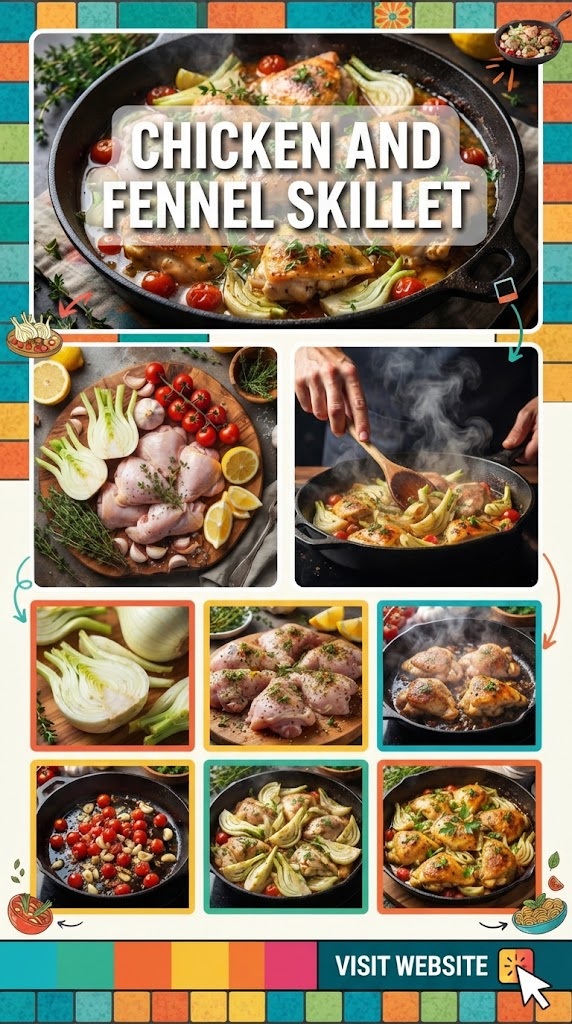

Chicken and Dill Skillet
Chicken and Dill Skillet
Chicken and Dill Skillet is a simple, comforting one-pan dinner that combines tender golden chicken, fresh dill, garlic, onions, and a creamy savory sauce. It is the kind of meal that feels special enough for a weekend dinner but is easy enough to prepare on a busy weeknight. The chicken cooks directly in the skillet, allowing its flavorful juices to mingle with the sauce and aromatics.
Fresh dill is the star of this recipe. Its bright, slightly grassy flavor balances the richness of the creamy sauce and gives the chicken a fresh, homemade taste. A little lemon juice adds acidity, while garlic and onion provide a savory foundation. The result is a balanced dish that is creamy without feeling overly heavy.
This recipe is also flexible. You can serve the chicken with rice, mashed potatoes, egg noodles, pasta, crusty bread, or roasted vegetables. Because everything is prepared in one skillet, cleanup is minimal.
Why You’ll Love This Chicken and Dill Skillet
There are plenty of reasons to add this recipe to your regular dinner rotation.
One-pan convenience: The chicken and sauce are cooked in one skillet, so you have fewer dishes to wash.
Tender, flavorful chicken: Searing the chicken first creates a beautiful golden exterior while keeping the inside juicy.
Fresh dill flavor: Dill gives the dish a bright herbal character that works especially well with creamy sauces.
Creamy but balanced: Lemon juice and chicken broth keep the sauce from tasting too rich.
Weeknight friendly: Most of the preparation is straightforward, and the entire meal can be ready in roughly 35–45 minutes.
Easy to customize: You can add mushrooms, spinach, peas, carrots, or other vegetables.
Complete Chicken and Dill Skillet Recipe
Recipe Overview
Prep Time: 15 minutes
Cook Time: 25 minutes
Total Time: About 40 minutes
Servings: 4
Cuisine: American-inspired
Course: Main Course
Cooking Method: Stovetop skillet
Ingredients
For the Chicken
- 4 boneless, skinless chicken breasts, about 6–7 ounces each
- 1 teaspoon kosher salt
- ½ teaspoon freshly ground black pepper
- 1 teaspoon paprika
- ½ teaspoon garlic powder
- 2 tablespoons olive oil
- 1 tablespoon butter
For the Dill Sauce
- 1 small yellow onion, finely diced
- 3 cloves garlic, minced
- 1 tablespoon all-purpose flour
- 1 cup low-sodium chicken broth
- ¾ cup heavy cream
- ½ cup sour cream
- 2 tablespoons fresh lemon juice
- 2 tablespoons fresh dill, finely chopped
- 1 teaspoon Dijon mustard
- ½ teaspoon salt, or to taste
- ¼ teaspoon black pepper
- ½ teaspoon dried dill, optional
- ½ cup grated Parmesan cheese, optional
For Garnishing
- 1–2 tablespoons fresh dill
- Lemon wedges
- Freshly cracked black pepper
- A little grated Parmesan, optional
Ingredient Details
Chicken
Boneless, skinless chicken breasts make this recipe quick and convenient. If your chicken breasts are particularly thick, slice them horizontally into thinner cutlets or gently pound them to an even thickness.
Even chicken pieces cook more evenly and are less likely to become dry.
You can also use boneless, skinless chicken thighs. Thigh meat is naturally more forgiving and tends to remain juicy during cooking.
Fresh Dill
Fresh dill is highly recommended. It provides a much brighter flavor than dried dill.
Look for dill that has vibrant green leaves and no signs of wilting. Store leftover dill in the refrigerator wrapped loosely in a damp paper towel or placed in a container with a small amount of water.
Heavy Cream
Heavy cream creates the smooth, luxurious base of the sauce. If you prefer a lighter sauce, you can substitute half-and-half, although the sauce may be slightly thinner.
Sour Cream
Sour cream gives the sauce a pleasant tanginess. It also complements dill beautifully.
Because sour cream can curdle when exposed to very high heat, add it toward the end of cooking and keep the skillet over low heat.
Lemon Juice
Lemon juice is important because it brightens the creamy sauce. Without acidity, creamy sauces can taste heavy. Add the lemon gradually and taste as you go.
Chicken Broth
Chicken broth gives the sauce depth and helps create the liquid needed to deglaze the skillet.
Low-sodium broth gives you better control over the final salt level.
How to Prepare Chicken and Dill Skillet
Step 1: Prepare the Chicken
Place the chicken breasts on a clean cutting board.
If they are very thick, carefully slice them horizontally to create thinner cutlets. Alternatively, place them between sheets of plastic wrap and gently pound them until they are approximately ½–¾ inch thick.
Pat the chicken dry with paper towels.
This step is important because excess moisture can prevent the chicken from developing a good golden crust.
Season both sides with kosher salt, black pepper, paprika, and garlic powder.
Rub the seasonings gently into the chicken so they adhere well.
Step 2: Heat the Skillet
Place a large heavy skillet over medium-high heat.
Cast iron, stainless steel, or a good-quality nonstick skillet can work well.
Add the olive oil and allow it to heat for approximately 30–60 seconds.
The oil should look glossy and move easily across the surface of the pan.
Add the butter.
Once the butter melts and begins to foam, the skillet is ready for the chicken.
Step 3: Sear the Chicken
Place the seasoned chicken into the skillet.
Do not overcrowd the pan. If necessary, cook the chicken in two batches.
Let the chicken cook without moving it for approximately 4–5 minutes.
You want the bottom to become golden brown.
Flip each piece and cook the other side for another 3–5 minutes.
At this point, the chicken does not necessarily need to be completely cooked through because it will finish cooking in the sauce.
Transfer the browned chicken to a clean plate.
Do not wipe out the skillet.
The browned bits left on the bottom of the pan contain a tremendous amount of flavor.
Step 4: Cook the Onion
Reduce the heat to medium.
Add the diced onion to the same skillet.
If the pan seems dry, add another teaspoon of olive oil.
Cook the onion for approximately 3–4 minutes.
Stir occasionally.
The onion should become soft and translucent.
As it cooks, use a wooden spoon or spatula to scrape up some of the browned chicken bits from the bottom of the skillet.
Step 5: Add the Garlic
Add the minced garlic.
Cook for approximately 30–60 seconds.
Do not allow the garlic to become dark brown.
Burned garlic can make the sauce bitter.
The garlic should simply become fragrant.
Step 6: Make the Roux
Sprinkle the all-purpose flour over the onions and garlic.
Stir continuously for about 30–60 seconds.
The flour helps thicken the sauce.
You do not want to leave dry flour sitting in the pan because it can create lumps when the broth is added.
Step 7: Add Chicken Broth
Slowly pour in the chicken broth while stirring constantly.
Use your spoon to scrape the bottom of the skillet.
This releases the caramelized bits from the chicken and incorporates them into the sauce.
Continue stirring until the liquid is smooth.
Allow the mixture to simmer for approximately 2–3 minutes.
It should begin to thicken slightly.
Step 8: Add the Cream
Lower the heat to medium-low.
Slowly stir in the heavy cream.
Continue stirring until the sauce is smooth.
Allow it to gently simmer.
Avoid a vigorous boil because high heat can cause dairy-based sauces to separate.
Step 9: Add Dijon Mustard
Stir in the Dijon mustard.
Dijon mustard adds a subtle tangy flavor without making the dish taste strongly of mustard.
It also works beautifully with chicken and dill.
Step 10: Return the Chicken
Place the seared chicken back into the skillet.
Arrange the pieces so that they are partially surrounded by the sauce.
Cover the skillet with a lid.
Cook over medium-low heat for approximately 8–12 minutes, depending on the thickness of the chicken.
The chicken should reach an internal temperature of 165°F (74°C) at the thickest point.
Avoid overcooking because chicken breast can become dry.
Step 11: Add Sour Cream
Once the chicken is cooked, reduce the heat to low.
Remove the lid.
Add the sour cream and gently stir it into the sauce.
Do not rapidly boil the sauce after adding sour cream.
Keeping the heat low helps maintain a smooth texture.
Step 12: Add Lemon and Dill
Stir in the fresh lemon juice.
Then add the chopped fresh dill.
Taste the sauce.
Add additional salt, black pepper, lemon juice, or dill according to your preference.
The sauce should taste creamy, savory, fresh, and slightly tangy.
Step 13: Add Parmesan
If using Parmesan cheese, sprinkle it into the sauce.
Stir gently until the cheese melts.
Parmesan is optional, but it adds extra savory depth and helps make the sauce slightly richer.
If you want a lighter, fresher dill flavor, you can leave it out.
Step 14: Rest and Garnish
Remove the skillet from the heat.
Allow the chicken to rest for approximately 3–5 minutes.
This gives the juices inside the chicken time to redistribute.
Garnish with fresh dill, cracked black pepper, and lemon wedges.
Serve immediately.
How to Tell When the Chicken Is Done
The safest way to check chicken is with an instant-read food thermometer.
Insert the thermometer into the thickest part of the chicken.
The internal temperature should reach 165°F (74°C).
Do not rely only on the color of the meat. Chicken can sometimes appear white before it has reached a safe temperature, while other pieces may remain slightly pink depending on cooking conditions.
A thermometer provides a much more reliable indication.
How to Make the Sauce Extra Creamy
For an especially smooth and creamy sauce, follow these techniques:
- Do not boil the cream aggressively.
- Add sour cream near the end.
- Stir continuously while adding the broth.
- Use finely grated Parmesan if adding cheese.
- Keep the heat relatively low after adding dairy.
- Allow the sauce to simmer gently rather than rapidly.
If the sauce becomes too thick, add a splash of chicken broth.
If it is too thin, allow it to simmer uncovered for a few minutes.
How to Avoid Dry Chicken
Chicken breast can dry out if cooked too long.
Here are some useful techniques:
Pound Thick Breasts Evenly
Uniform thickness means the chicken cooks at approximately the same rate.
Do Not Overcrowd the Skillet
Overcrowding causes the chicken to steam rather than sear.
Sear Quickly
The goal is to develop color and flavor rather than fully cook the chicken during the initial sear.
Finish in the Sauce
The sauce helps keep the chicken moist while it finishes cooking.
Use a Thermometer
Remove the guesswork by checking the internal temperature.
Delicious Variations
Chicken and Mushroom Dill Skillet
Add 8 ounces of sliced mushrooms after removing the chicken.
Cook them until browned and tender.
Continue with the recipe as written.
Mushrooms add a rich earthy flavor that pairs wonderfully with dill.
Chicken Spinach Dill Skillet
Add 2–3 cups of fresh baby spinach toward the end.
Stir until the spinach wilts.
This is an easy way to add more vegetables.
Chicken and Potato Dill Skillet
Add cooked baby potatoes to the skillet during the final stage.
The potatoes absorb the creamy dill sauce and turn the dish into a more substantial meal.
Lemon Dill Chicken
Increase the lemon juice to 3 tablespoons and add extra lemon zest.
This creates a brighter, more citrus-forward version.
Spicy Dill Chicken
Add ¼–½ teaspoon of crushed red pepper flakes when cooking the garlic.
For additional heat, use a pinch of cayenne pepper.
Garlic Dill Chicken
Increase the garlic to 5 cloves for a stronger garlic flavor.
This version is especially good served with crusty bread.
What to Serve With Chicken and Dill Skillet
This chicken is extremely versatile.
Mashed Potatoes
Creamy mashed potatoes are one of the best options because they soak up the dill sauce.
Rice
White rice, brown rice, basmati rice, or jasmine rice can all work.
Egg Noodles
Toss cooked egg noodles directly with some of the sauce for a comforting meal.
Pasta
Fettuccine, penne, rotini, or linguine can turn this skillet chicken into a complete pasta dinner.
Roasted Vegetables
Try:
- Broccoli
- Carrots
- Green beans
- Zucchini
- Cauliflower
- Brussels sprouts
Crusty Bread
A warm loaf of crusty bread is excellent for scooping up the remaining sauce.
Simple Green Salad
A fresh salad with lettuce, cucumber, tomatoes, and a lemon-based dressing provides a refreshing contrast to the creamy chicken.
Meal Prep and Storage
Chicken and Dill Skillet works well for meal preparation.
Allow leftovers to cool before transferring them to an airtight container.
Store in the refrigerator for up to 3–4 days.
When reheating, use medium-low heat.
Add a splash of chicken broth, milk, or cream if the sauce has become too thick.
Avoid overheating because repeated high heat can cause the creamy sauce to separate.
Can You Freeze Chicken and Dill Skillet?
You can freeze the cooked chicken, but creamy sauces containing sour cream and heavy cream may change texture after freezing and thawing.
For best quality, enjoy the dish fresh or refrigerate leftovers for several days.
If you do freeze it, allow the food to cool completely and place it in a freezer-safe airtight container.
Thaw overnight in the refrigerator.
Reheat gently over low heat and stir frequently.
You may need to add a small amount of broth or cream to restore the sauce’s consistency.
Common Mistakes to Avoid
Using Wet Chicken
Wet chicken will not brown as effectively.
Always pat it dry before seasoning.
Overcrowding the Pan
Too much chicken at once lowers the skillet temperature.
Cook in batches if necessary.
Burning the Garlic
Garlic cooks quickly.
Add it after the onion and cook only until fragrant.
Adding Cold Dairy Over High Heat
Very high heat can cause dairy-based sauces to separate.
Use moderate or low heat.
Overcooking the Chicken
Chicken breast becomes dry when cooked far beyond the recommended internal temperature.
Use an instant-read thermometer.
Adding Too Much Dill
Dill has a distinctive flavor.
Start with a moderate amount and add more after tasting.
Forgetting the Lemon
The lemon helps balance the creamy sauce.
Even a small amount can make the entire dish taste brighter.
Frequently Asked Questions
Can I use chicken thighs?
Yes. Boneless, skinless chicken thighs are an excellent substitute.
They generally remain juicy and flavorful and are particularly forgiving if slightly overcooked.
Can I use dried dill?
Yes, but fresh dill provides the best flavor.
If substituting dried dill, use less because dried herbs are more concentrated.
A practical starting point is about 1 teaspoon dried dill for every tablespoon of fresh dill.
Can I use milk instead of heavy cream?
Yes, but the sauce will be thinner and less rich.
For a creamier result with milk, you can increase the flour slightly or add a little extra Parmesan.
Can I make this without Parmesan?
Absolutely.
The Parmesan is optional.
The chicken, dill, lemon, cream, and sour cream already provide plenty of flavor.
Can I add vegetables?
Yes.
Mushrooms, spinach, peas, broccoli, asparagus, and zucchini are particularly good choices.
What skillet is best?
A large 10–12-inch skillet works well for four chicken breasts.
Cast iron is excellent for browning, while stainless steel provides excellent fond development.
Expert Tips for the Best Chicken and Dill Skillet
Use fresh dill whenever possible. The flavor is significantly brighter.
Pat chicken dry before seasoning. This improves browning.
Do not rush the sear. Give the chicken enough time to develop a golden crust.
Scrape the skillet. Those browned bits add tremendous flavor to the sauce.
Keep the sauce at a gentle simmer. Hard boiling can affect the texture.
Taste before serving. Creamy sauces often need a final adjustment of salt and lemon.
Add fresh dill at the end. Long cooking can diminish its fresh herbal character.
Let the chicken rest. A few minutes helps keep it juicy.
Nutrition Notes
Nutrition will vary depending on the exact ingredients and portion sizes used.
Chicken provides protein, while the cream, butter, and Parmesan contribute fat and richness. Serving the chicken with vegetables instead of pasta, potatoes, or rice can make the overall meal lighter.
For a more balanced plate, serve one portion of chicken with plenty of steamed or roasted vegetables and a moderate portion of rice or potatoes.
A Simple Weeknight Dinner
One of the best things about Chicken and Dill Skillet is how easily it fits into a normal weeknight routine.
You can prepare the chicken while chopping the onion and garlic. Once the chicken has been seared, the same skillet becomes the foundation for the sauce. The browned chicken pieces, onion, garlic, broth, cream, lemon, and dill come together in a surprisingly short amount of time.
There is no need to prepare a complicated separate sauce or use multiple pans.
The result is a dinner that tastes much more elaborate than the effort required to make it.
Final Recipe Card
Chicken and Dill Skillet
Servings: 4
Prep Time: 15 minutes
Cook Time: 25 minutes
Total Time: 40 minutes
Ingredients
- 4 boneless, skinless chicken breasts
- 1 teaspoon kosher salt
- ½ teaspoon black pepper
- 1 teaspoon paprika
- ½ teaspoon garlic powder
- 2 tablespoons olive oil
- 1 tablespoon butter
- 1 small yellow onion, diced
- 3 garlic cloves, minced
- 1 tablespoon all-purpose flour
- 1 cup low-sodium chicken broth
- ¾ cup heavy cream
- ½ cup sour cream
- 2 tablespoons fresh lemon juice
- 2 tablespoons chopped fresh dill
- 1 teaspoon Dijon mustard
- ½ teaspoon salt, or to taste
- ¼ teaspoon black pepper
- ½ cup Parmesan cheese, optional
- Extra fresh dill for garnish
- Lemon wedges for serving
Instructions
- Pat the chicken dry.
- Season both sides with salt, pepper, paprika, and garlic powder.
- Heat olive oil in a large skillet over medium-high heat.
- Add butter.
- Sear chicken for 4–5 minutes per side, then transfer it to a plate.
- Reduce heat to medium and cook the diced onion for 3–4 minutes.
- Add garlic and cook for 30–60 seconds.
- Sprinkle in flour and stir for about 1 minute.
- Slowly whisk in chicken broth while scraping the bottom of the skillet.
- Simmer for 2–3 minutes.
- Reduce heat and stir in heavy cream.
- Add Dijon mustard.
- Return chicken to the skillet.
- Cover and cook over medium-low heat until the chicken reaches 165°F (74°C).
- Reduce heat to low.
- Stir in sour cream.
- Add lemon juice and fresh dill.
- Add Parmesan if desired.
- Taste and adjust seasoning.
- Garnish with fresh dill and lemon wedges.
- Rest for 3–5 minutes before serving.