Chicken and Eggplant Skillet
Chicken and Eggplant Skillet
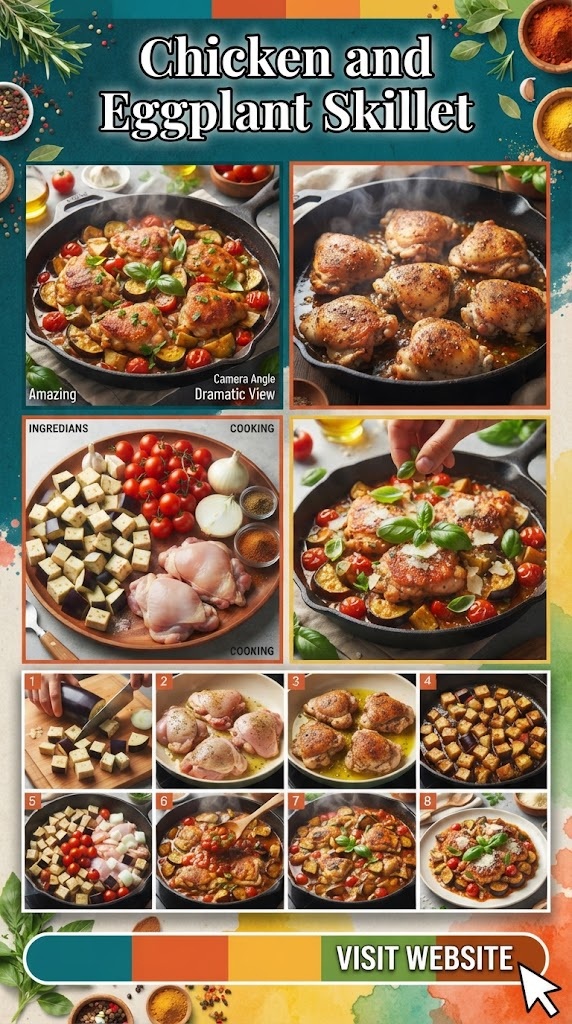
Chicken and Eggplant Skillet is a hearty, flavorful one-pan dinner that combines tender chicken, silky eggplant, tomatoes, garlic, herbs, and a savory sauce. It is an excellent choice when you want a comforting homemade meal without preparing several separate dishes. The eggplant becomes wonderfully tender as it cooks, while the chicken provides plenty of protein and a golden, satisfying texture.
This recipe is especially useful for busy weeknights because everything comes together in one skillet. The vegetables absorb the flavorful juices from the chicken, garlic, and tomatoes, creating a rich sauce that is delicious spooned over rice, pasta, couscous, quinoa, or crusty bread.
Why You’ll Love This Chicken and Eggplant Skillet
There are many reasons this recipe deserves a place in your regular dinner rotation.
First, it is a one-skillet meal, which means less cookware and easier cleanup. The chicken and vegetables are cooked in the same pan, allowing their flavors to build throughout the cooking process.
Second, eggplant has a wonderful texture when cooked properly. Raw eggplant can seem firm and spongy, but when gently simmered with tomatoes and seasonings, it becomes tender and creamy while still holding enough structure to make the dish satisfying.
The combination of garlic, onion, Italian seasoning, paprika, tomatoes, and fresh herbs gives the skillet a warm Mediterranean-inspired flavor without requiring complicated ingredients.
It is also highly adaptable. You can add zucchini, bell peppers, spinach, mushrooms, or chickpeas depending on what you have available.
Complete Recipe
Recipe Name
Chicken and Eggplant Skillet
Cuisine
Mediterranean-inspired / American skillet dinner
Preparation Time
20 minutes
Cooking Time
30–35 minutes
Total Time
About 55 minutes
Servings
4 servings
Difficulty
Easy to moderate
Ingredients
For the Chicken
- 1 ½ pounds boneless, skinless chicken breasts or chicken thighs
- 1 teaspoon salt
- ½ teaspoon black pepper
- 1 teaspoon paprika
- ½ teaspoon dried oregano
- ½ teaspoon garlic powder
- 2 tablespoons olive oil
For the Eggplant and Vegetables
- 1 large eggplant, approximately 1 to 1 ¼ pounds
- 1 medium yellow onion, diced
- 4 cloves garlic, minced
- 1 medium red bell pepper, diced
- 1 can, 14–15 ounces, diced tomatoes
- 2 tablespoons tomato paste
- ½ cup chicken broth
- 1 teaspoon dried Italian seasoning
- ½ teaspoon smoked paprika
- ¼ teaspoon red pepper flakes, optional
- 1 tablespoon fresh lemon juice
- 2 tablespoons chopped fresh parsley
- 1 tablespoon chopped fresh basil, optional
- ½ teaspoon salt, or to taste
- ¼ teaspoon black pepper, or to taste
Optional Garnishes
- Fresh parsley
- Fresh basil
- Grated Parmesan cheese
- Crumbled feta cheese
- Lemon wedges
- A drizzle of extra-virgin olive oil
Choosing the Best Chicken
Both chicken breasts and chicken thighs work beautifully in this recipe.
Chicken Breasts
Chicken breasts are lean and mild. They cook quickly and absorb the flavors of the sauce.
If using chicken breasts, cut them into approximately 1-inch pieces. Keeping the pieces relatively uniform helps them cook at the same rate.
Avoid cutting the chicken too small because tiny pieces can become dry before the vegetables are finished.
Chicken Thighs
Boneless, skinless chicken thighs are particularly good for skillet recipes because they remain juicy and flavorful even when simmered.
They also pair exceptionally well with eggplant because their richer flavor complements the creamy vegetable.
If using thighs, trim away large pieces of excess fat and cut them into bite-sized pieces.
Choosing and Preparing Eggplant
Eggplant is the star vegetable in this dish, so selecting a good one makes a noticeable difference.
Look for an eggplant that feels firm and heavy for its size. The skin should be smooth and shiny, without large bruises or soft spots.
Smaller or medium-sized eggplants are often ideal because they tend to have a tender texture and relatively small seeds.
Should You Salt the Eggplant?
For this recipe, salting is optional.
Modern eggplants are generally less bitter than older varieties, and the cooking process with tomatoes, garlic, and seasoning provides plenty of flavor.
However, if your eggplant tastes bitter or you prefer a firmer texture, you can salt it before cooking.
Cut the eggplant into cubes and place them in a colander. Sprinkle lightly with salt and allow them to sit for 15–20 minutes. Pat them dry thoroughly with paper towels before cooking.
Do not leave them soaking in water afterward because eggplant can absorb moisture.
How to Make Chicken and Eggplant Skillet
Step 1: Prepare the Ingredients
Before turning on the stove, prepare everything.
Cut the chicken into bite-sized pieces.
Cut the eggplant into approximately 1-inch cubes.
Dice the onion and bell pepper.
Mince the garlic.
Open the tomatoes and measure the tomato paste, broth, herbs, and seasonings.
Having everything ready is important because the recipe moves quickly once the skillet becomes hot.
Step 2: Season the Chicken
Place the chicken pieces in a large bowl.
Add:
- Salt
- Black pepper
- Paprika
- Dried oregano
- Garlic powder
Toss thoroughly so that the seasoning coats all sides of the chicken.
The seasoning gives the chicken a flavorful crust while it browns in the skillet.
Step 3: Brown the Chicken
Place a large, heavy skillet over medium-high heat.
A 12-inch skillet works particularly well because it gives the chicken and vegetables enough room to cook without overcrowding.
Add the olive oil.
Once the oil is hot, carefully add the seasoned chicken.
Cook for approximately 4–6 minutes, stirring occasionally, until the chicken develops golden-brown edges.
The goal at this stage is browning rather than fully cooking the chicken.
Remove the chicken from the skillet and place it on a clean plate.
Do not worry if the chicken is not completely cooked inside. It will finish cooking later in the sauce.
Step 4: Cook the Eggplant
Add another small drizzle of olive oil to the skillet if the pan looks dry.
Add the cubed eggplant.
Spread it into a relatively even layer.
Cook for approximately 5–7 minutes, stirring every minute or two.
The eggplant should begin to soften and develop lightly browned edges.
Eggplant absorbs oil quickly, so do not immediately pour in a large amount of oil if it appears dry. Give it a little time to cook.
If the pan becomes extremely dry, add another teaspoon or two of olive oil.
Step 5: Add the Onion and Bell Pepper
Add the diced onion and red bell pepper to the skillet.
Cook for approximately 4–5 minutes.
Stir frequently.
The onion should become translucent and the bell pepper should begin to soften.
At this point, the skillet should smell sweet, savory, and aromatic.
Step 6: Add the Garlic
Add the minced garlic.
Cook for approximately 30–60 seconds.
Stir constantly.
Garlic cooks very quickly. Avoid browning it heavily because burnt garlic can become bitter.
The short cooking time is enough to release its aroma and flavor into the vegetables.
Step 7: Build the Tomato Sauce
Add the tomato paste.
Stir it into the vegetables and cook for about 1 minute.
Cooking the tomato paste briefly helps deepen its flavor.
Next, add:
- Diced tomatoes
- Chicken broth
- Italian seasoning
- Smoked paprika
- Red pepper flakes, if using
Stir everything together.
Use your spoon or spatula to scrape any browned bits from the bottom of the skillet.
Those browned bits contain concentrated flavor from the chicken and vegetables.
Step 8: Return the Chicken
Return the browned chicken and any juices from the plate to the skillet.
Stir gently.
Bring the mixture to a gentle simmer.
Reduce the heat to medium-low.
Cover the skillet loosely with a lid and cook for approximately 10–15 minutes.
The exact cooking time will depend on the size of the chicken pieces.
The chicken should be fully cooked, and the eggplant should be tender.
Step 9: Check the Chicken
The safest way to determine whether chicken is cooked is to check its internal temperature with a food thermometer.
The thickest piece should reach 165°F (74°C).
If the chicken has reached the proper temperature, remove the skillet from the heat or reduce the heat to very low while finishing the sauce.
Avoid overcooking the chicken because prolonged cooking can make lean chicken breast dry.
Step 10: Finish the Sauce
Taste the sauce.
Add additional salt and black pepper if necessary.
Stir in the fresh lemon juice.
The lemon juice is a small addition, but it can make a significant difference. Tomato-based sauces can taste heavier without acidity. A little lemon brightens the entire skillet.
Turn off the heat.
Add chopped fresh parsley and basil if desired.
Stir gently.
Step 11: Rest Before Serving
Allow the skillet to rest for approximately 3–5 minutes.
This gives the sauce a chance to settle and allows the flavors to come together.
The sauce will also thicken slightly as it cools.
Garnish with additional fresh herbs and a small drizzle of olive oil.
What the Finished Dish Should Look Like
A successful Chicken and Eggplant Skillet should have:
- Tender chicken
- Soft but not completely disintegrated eggplant
- Sweet, tender onions
- Soft bell peppers
- A rich tomato-based sauce
- Plenty of garlic flavor
- Fresh herbs
- A slightly bright finish from lemon juice
The sauce should be thick enough to coat the chicken and vegetables without being completely dry.
If it looks too watery, simmer uncovered for a few minutes.
If it becomes too thick, add a small splash of chicken broth or water.
Tips for Perfect Chicken and Eggplant Skillet
1. Don’t Overcrowd the Chicken
If too much chicken is placed in the pan at once, it will release moisture and begin steaming instead of browning.
If necessary, brown the chicken in two batches.
Good browning creates deeper flavor.
2. Use a Large Skillet
A large skillet provides enough surface area for the vegetables to cook evenly.
A crowded pan can make eggplant mushy and prevent proper browning.
3. Don’t Overcook the Eggplant
Eggplant should be tender, but it does not need to completely disappear into the sauce.
Cutting it into roughly 1-inch cubes helps it maintain some structure.
4. Cook Tomato Paste Briefly
Adding tomato paste and cooking it for a minute before adding liquid creates a deeper, richer tomato flavor.
5. Use Fresh Garlic
Fresh garlic provides much more aromatic flavor than garlic powder alone.
Garlic powder is useful for seasoning the chicken, while fresh garlic builds the flavor of the sauce.
6. Taste Before Serving
Tomatoes can vary in acidity and saltiness.
Always taste the finished sauce and adjust the seasoning.
A little salt can bring the ingredients together, while lemon juice can brighten the entire dish.
What to Serve With Chicken and Eggplant Skillet
This skillet is satisfying on its own, but it becomes an especially complete dinner when served with a simple side.
Steamed Rice
Rice is one of the easiest choices.
The grains absorb the tomato sauce, making every bite flavorful.
White rice, brown rice, basmati rice, or jasmine rice can all work.
Crusty Bread
Serve the skillet with warm crusty bread.
The bread is perfect for soaking up the tomato sauce.
Couscous
Couscous cooks quickly and pairs naturally with the Mediterranean flavors in the dish.
Quinoa
For a higher-fiber alternative, serve the chicken and eggplant over cooked quinoa.
Pasta
Small pasta shapes such as penne, rotini, or shells can turn the skillet into a hearty pasta dinner.
Simply spoon the chicken and eggplant mixture over cooked pasta.
Simple Green Salad
A crisp green salad provides contrast to the warm, saucy skillet.
Try lettuce, cucumber, tomatoes, red onion, and a simple lemon vinaigrette.
Variations
One of the best things about this recipe is its flexibility.
Chicken and Eggplant Parmesan Skillet
Add mozzarella and Parmesan during the final few minutes.
Cover the skillet until the cheese melts.
This creates a comforting Italian-inspired version.
Spicy Chicken and Eggplant Skillet
Increase the red pepper flakes.
You can also add a finely chopped fresh chili pepper.
Mediterranean Chicken and Eggplant Skillet
Add:
- Kalamata olives
- Feta cheese
- Fresh parsley
- Lemon zest
The salty olives and feta pair beautifully with the tomato sauce.
Chicken, Eggplant, and Zucchini Skillet
Add one small zucchini, cut into half-moons.
Add it alongside the eggplant.
Chicken and Eggplant Spinach Skillet
Add 2–3 handfuls of fresh baby spinach during the final few minutes.
Cover the skillet and allow the spinach to wilt.
Creamy Chicken and Eggplant Skillet
For a richer variation, stir in a small amount of heavy cream near the end.
You can also add cream cheese for a thicker sauce.
How to Store Leftovers
Allow leftovers to cool before transferring them to an airtight container.
Store in the refrigerator for up to 3–4 days.
The flavors often become even more developed after sitting overnight.
This makes the recipe useful for meal preparation.
How to Reheat
Reheat leftovers gently in a skillet over medium-low heat.
Add a small splash of chicken broth or water if the sauce has become too thick.
You can also reheat individual portions in the microwave.
Heat in short intervals, stirring between intervals, until thoroughly hot.
Avoid overheating because the chicken can become tough.
Can You Freeze Chicken and Eggplant Skillet?
Yes, although the eggplant texture may become softer after freezing and thawing.
For best results:
- Allow the cooked skillet to cool.
- Transfer it to an airtight freezer-safe container.
- Remove as much excess air as practical.
- Freeze for up to approximately 2–3 months for best quality.
- Thaw overnight in the refrigerator.
- Reheat gently on the stovetop.
If texture is especially important to you, this dish is best enjoyed fresh or refrigerated rather than frozen.
Meal-Prep Instructions
Chicken and Eggplant Skillet is convenient for meal preparation.
Prepare the entire recipe according to the instructions.
Divide it into four meal containers.
Pair each portion with rice, quinoa, couscous, or another preferred side.
Allow the food to cool appropriately before refrigerating.
When ready to eat, reheat until hot throughout.
For meal prep, slightly undercooking the vegetables can help them maintain a better texture after reheating.
Common Mistakes to Avoid
Cutting the Chicken Too Large
Very large chicken pieces take longer to cook and may become dry on the outside before reaching a safe internal temperature.
Using Too Much Oil
Eggplant absorbs oil rapidly. Add oil gradually rather than pouring in a large amount.
Cooking Everything at Once
Chicken should be browned first and temporarily removed.
This gives you better browning and prevents the skillet from becoming overcrowded.
Burning the Garlic
Garlic needs only a short time to become fragrant.
If it turns dark brown or black, it can become bitter.
Adding Too Much Liquid
Eggplant and tomatoes naturally release moisture.
Start with the recommended amount of broth and add more only if necessary.
Not Seasoning in Layers
Seasoning only at the end can make the dish taste flat.
Season the chicken before cooking, season the vegetables and sauce during cooking, and taste again before serving.
Frequently Asked Questions
Do I need to peel the eggplant?
No. The skin is edible and helps the eggplant maintain some structure.
If you prefer a softer texture or have a particularly thick-skinned eggplant, you can peel it partially or completely.
Can I use chicken thighs?
Absolutely. Boneless, skinless chicken thighs are an excellent choice and tend to remain particularly juicy.
Can I use canned tomatoes?
Yes. Canned diced tomatoes work very well and make the recipe convenient year-round.
Can I use fresh tomatoes?
Yes. Use approximately 2–3 cups chopped fresh tomatoes.
Keep in mind that fresh tomatoes may produce a slightly different amount of liquid, so adjust the broth as needed.
Can I make this recipe dairy-free?
Yes. The basic recipe is naturally dairy-free as long as you use dairy-free garnishes.
Can I make it gluten-free?
Yes. The skillet itself can be gluten-free. Serve it with gluten-free rice, quinoa, potatoes, or another suitable side.
Always check packaged ingredients if strict gluten avoidance is required.
Can I add cheese?
Definitely.
Feta, Parmesan, mozzarella, or goat cheese can all work.
For a Mediterranean-style version, feta is especially delicious.
How do I make the sauce thicker?
Simmer uncovered for several minutes.
You can also add a little extra tomato paste.
Avoid adding large amounts of flour because it can change the character of the sauce.
Nutrition Considerations
This skillet provides a combination of protein from chicken and fiber-rich vegetables from eggplant, tomatoes, onion, and bell pepper.
The final nutritional values will vary depending on the chicken cut, amount of oil, portion size, and toppings.
For a lighter version, use skinless chicken breast and moderate the olive oil and cheese.
For a more substantial meal, serve it with rice, potatoes, pasta, or crusty bread.
Complete Cooking Timeline
For easy reference, the entire cooking process can be organized like this:
0–10 minutes: Prepare chicken and vegetables.
10–16 minutes: Season and brown chicken.
16–23 minutes: Cook eggplant.
23–28 minutes: Add onion and bell pepper.
28–29 minutes: Add garlic.
29–31 minutes: Add tomato paste and cook briefly.
31–33 minutes: Add tomatoes, broth, and seasonings.
33–46 minutes: Return chicken and simmer until cooked through.
46–50 minutes: Add lemon juice and fresh herbs.
50–55 minutes: Rest briefly and serve.
Cooking times can vary depending on the skillet, stove, and size of the chicken pieces.
Final Serving Suggestion
For an attractive presentation, spoon the Chicken and Eggplant Skillet into shallow bowls.
Arrange the chicken pieces and eggplant so they are visible rather than completely covered by sauce.
Sprinkle generously with fresh parsley.
Add a little basil if desired.
Finish with a small drizzle of olive oil and a lemon wedge on the side.
For a more indulgent presentation, add a little crumbled feta or freshly grated Parmesan.
Serve immediately with warm crusty bread, fluffy rice, couscous, or quinoa.
Final Thoughts
Chicken and Eggplant Skillet is the kind of dinner that combines simple ingredients into something far more flavorful than the individual components suggest. Tender chicken, creamy eggplant, sweet peppers, onion, garlic, and tomatoes create a satisfying meal with plenty of texture and depth.
The recipe is flexible enough for everyday cooking. You can make it with chicken breasts or thighs, increase the vegetables, adjust the spice level, add cheese, or serve it with your favorite grain.
Most importantly, the recipe does not require complicated cooking techniques. Brown the chicken, soften the eggplant and vegetables, build the tomato sauce, return the chicken, and let everything simmer together until tender.
The result is a warm, hearty skillet dinner that is easy enough for a weeknight but flavorful enough to serve when family or friends come over.
Chicken and Eggplant Skillet is best served hot, garnished with fresh herbs and accompanied by something that can soak up the delicious tomato sauce.