25 Ancient Wellness Secrets You Can Still Use Today
In our modern era of wearable fitness trackers, biohacking supplements, and high-tech gym equipment, we often assume that the newest innovation is the best. However, many of the most effective wellness practices used by today’s top athletes and longevity experts are actually thousands of years old. From the banks of the Ganges to the mountains of Japan and the marble halls of Rome, our ancestors understood how to harmonize the body and mind long before the first laboratory was ever built.
Here are 25 ancient wellness secrets that have stood the test of time and remain remarkably effective in the 21st century.
The Wisdom of the Mouth and Digestion
1. Oil Pulling (Gandusha)
Originating from Ayurvedic medicine over 3,000 years ago, oil pulling involves swishing a tablespoon of oil—typically coconut or sesame—in your mouth for 15 to 20 minutes before spitting it out. This practice is believed to draw out toxins, improve gum health, and whiten teeth. Modern science supports this, showing that the mechanical action of swishing can reduce harmful bacteria like Streptococcus mutans.
2. Tongue Scraping (Jihwa Prakshalana)
Another Ayurvedic gem, tongue scraping involves using a U-shaped tool (usually copper or stainless steel) to remove the “ama” or toxic coating that builds up on the tongue overnight. It refreshes breath, improves taste perception, and prevents oral bacteria from being re-absorbed into the digestive system.
3. Eating with the Seasons (Ritucharya)
Long before global shipping made strawberries available in December, ancient cultures ate what the land provided. Traditional Chinese Medicine (TCM) and Ayurveda both emphasize that our bodies require different nutrients during different seasons—warming foods like root vegetables in winter and cooling foods like cucumbers in summer. This aligns our internal biological clocks with the external environment.
4. The Power of Fermentation
From Korean Kimchi to Bulgarian Kefir and Japanese Miso, ancient civilizations used fermentation as a preservation method. Little did they know they were cultivating powerful probiotics. These “living foods” support the gut microbiome, which we now know is the cornerstone of the immune system and mental health.
Rituals for the Skin and Body
5. Dry Brushing (Garshana)
In ancient Greece and India, dry brushing was used to invigorate the skin. By using a firm, natural-bristle brush on dry skin in circular motions toward the heart, you stimulate lymphatic drainage, exfoliate dead skin cells, and boost circulation. It is one of the simplest ways to support the body’s natural detoxification pathways.
6. Gua Sha
Traditional Chinese Medicine utilizes a smooth-edged tool (often made of jade or rose quartz) to “scrape” the skin. While it may look intense, Gua Sha is designed to release muscle tension, move stagnant energy (Qi), and promote blood flow. When used on the face, it acts as a natural facelift by reducing puffiness and smoothing fine lines.
7. Hydrotherapy and Contrast Baths
The Romans and Vikings were masters of the “hot-cold” plunge. Alternating between hot saunas or baths and cold plunges creates a “vascular pump,” constricting and dilating blood vessels. This ancient secret is now a favorite among elite athletes for reducing inflammation and accelerating muscle recovery.
8. Honey as a Healing Salve
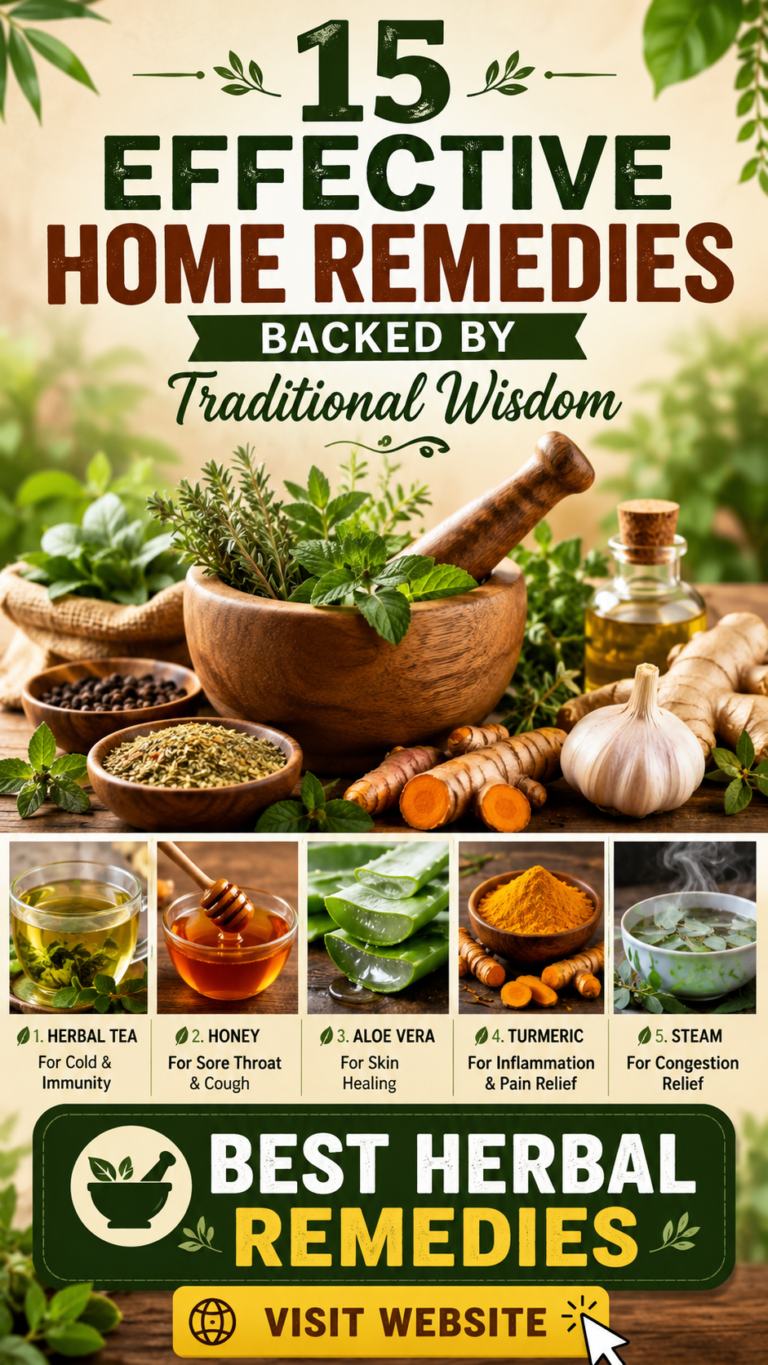
The ancient Egyptians documented the use of honey for wound healing in the Edwin Smith Papyrus (c. 1550 BC). Today, medical-grade Manuka honey is used in hospitals to treat burns and ulcers because of its powerful antibacterial properties and ability to maintain a moist healing environment.
The Art of Movement and Breath
9. Forest Bathing (Shinrin-yoku)
While the term was coined in Japan in the 1980s, the practice is as old as humanity. It involves “taking in the forest atmosphere” through all five senses. Spending time among trees has been shown to lower cortisol levels, reduce blood pressure, and increase “natural killer” cells that fight cancer.
10. Pranayama (The Science of Breath)
Yogic breath control, or Pranayama, teaches that the breath is the bridge between the mind and body. Techniques like Nadi Shodhana (alternate nostril breathing) can instantly calm the nervous system, shifting the body from “fight or flight” mode into “rest and digest” mode.
11. Tai Chi and Qigong
Known as “meditation in motion,” these Chinese practices combine slow, graceful movements with deep breathing. They are designed to cultivate Qi (life force energy). Studies show that Tai Chi improves balance, flexibility, and cognitive function, particularly as we age.
12. Earthing (Grounding)
For most of human history, people walked barefoot or wore leather-soled shoes that allowed them to maintain electrical contact with the Earth. “Grounding” involves making direct skin contact with the surface of the Earth. Proponents and some modern studies suggest this helps neutralize free radicals and reduces chronic inflammation.
Nature’s Pharmacy: Ancient Herbs and Spices
13. Turmeric and Curcumin
In India, turmeric has been used for millennia as both a culinary spice and a medicinal herb. Its active compound, curcumin, is a potent anti-inflammatory agent. Modern science confirms it can be as effective as some anti-inflammatory drugs, provided it is consumed with black pepper to increase absorption.
14. Adaptogens (Ashwagandha and Holy Basil)
Ancient herbalists discovered plants that helped the body “adapt” to stress. Ashwagandha, used in Ayurveda for 3,000 years, is now one of the most researched herbs for its ability to lower cortisol and improve sleep quality.
15. Frankincense and Myrrh
Highly prized in ancient Egypt and the Middle East, these resins were used in aromatherapy and skincare. Frankincense is known for its ability to deepen the breath and calm the mind, making it a powerful tool for meditation and stress reduction.
16. Castor Oil Packs
Used by ancient Egyptians and later popularized in folk medicine, castor oil packs involve placing oil-soaked flannel over the liver or abdomen. It is believed to stimulate the lymphatic system and support liver detoxification.
Mental and Spiritual Fortitude
17. Stoic Reframing
The Stoic philosophers of ancient Greece and Rome, like Marcus Aurelius and Epictetus, practiced “negative visualization.” By occasionally imagining the loss of what they had, they cultivated profound gratitude and mental resilience. This is a precursor to modern Cognitive Behavioral Therapy (CBT).
18. Sound Healing
From the chanting of Tibetan monks to the use of singing bowls and gongs, ancient cultures used frequency to heal. We now know that sound vibrations can influence brainwave states, moving us into the “theta” state associated with deep healing and creativity.
19. Silence and Solitude
In the modern world, silence is a luxury. However, ancient monastic traditions across the globe emphasized the “Great Silence.” Taking even 10 minutes of complete silence each day allows the sensory nervous system to reset from the constant bombardment of digital noise.
20. The “Sabbath” Concept (Digital Detoxing)
The ancient Hebrew concept of the Sabbath—a day of rest where work is prohibited—is the original “digital detox.” Dedicating one day a week to unplugging from productivity and reconnecting with family and nature is one of the most powerful modern antidotes to burnout.
Environmental and Lifestyle Secrets
21. Circadian Alignment
Before the invention of the lightbulb, humans lived by the rhythm of the sun. They rose with the dawn and wound down as the sun set. Aligning your sleep-wake cycle with natural light improves hormonal balance, specifically the production of melatonin and cortisol.
22. Squatting
In many ancient (and current indigenous) cultures, the squat is the primary resting position. Squatting keeps the hips mobile and the spine elongated. Furthermore, the “squatting potty” position is the anatomically correct way to eliminate, preventing digestive issues that are common in Western chair-sitting societies.
23. Intermittent Fasting
Fasting is a tradition found in almost every major religion and ancient medical system, from Hippocrates to Buddha. By giving the digestive system a break, the body enters a state of “autophagy,” where it cleans out damaged cells and regenerates new ones.
24. Copper Water Vessels
Ancient Vedic texts recommend storing water in copper vessels. Copper is naturally oligodynamic, meaning it has a self-sterilizing effect that kills harmful bacteria. It also leaches tiny amounts of copper into the water, which is an essential mineral for collagen production and iron absorption.
25. Community and “Blue Zone” Socializing
Ancient humans lived in tight-knit tribes or villages. Longevity experts studying “Blue Zones” (areas where people live the longest) found that strong social ties are more predictive of long life than even diet or exercise. The ancient secret to a long life might simply be a sense of belonging.
Integrating Ancient Wisdom into Modern Life
You don’t need to move to a cave or abandon modern medicine to benefit from these secrets. The beauty of these practices lies in their simplicity and accessibility. Whether it is starting your day with tongue scraping, taking a walk in the woods, or seasoning your dinner with turmeric, these small habits bridge the gap between our high-tech present and our deeply intuitive past.
By looking backward, we find the blueprints for a healthier, more balanced future. These 25 secrets have survived for millennia for one simple reason: they work.