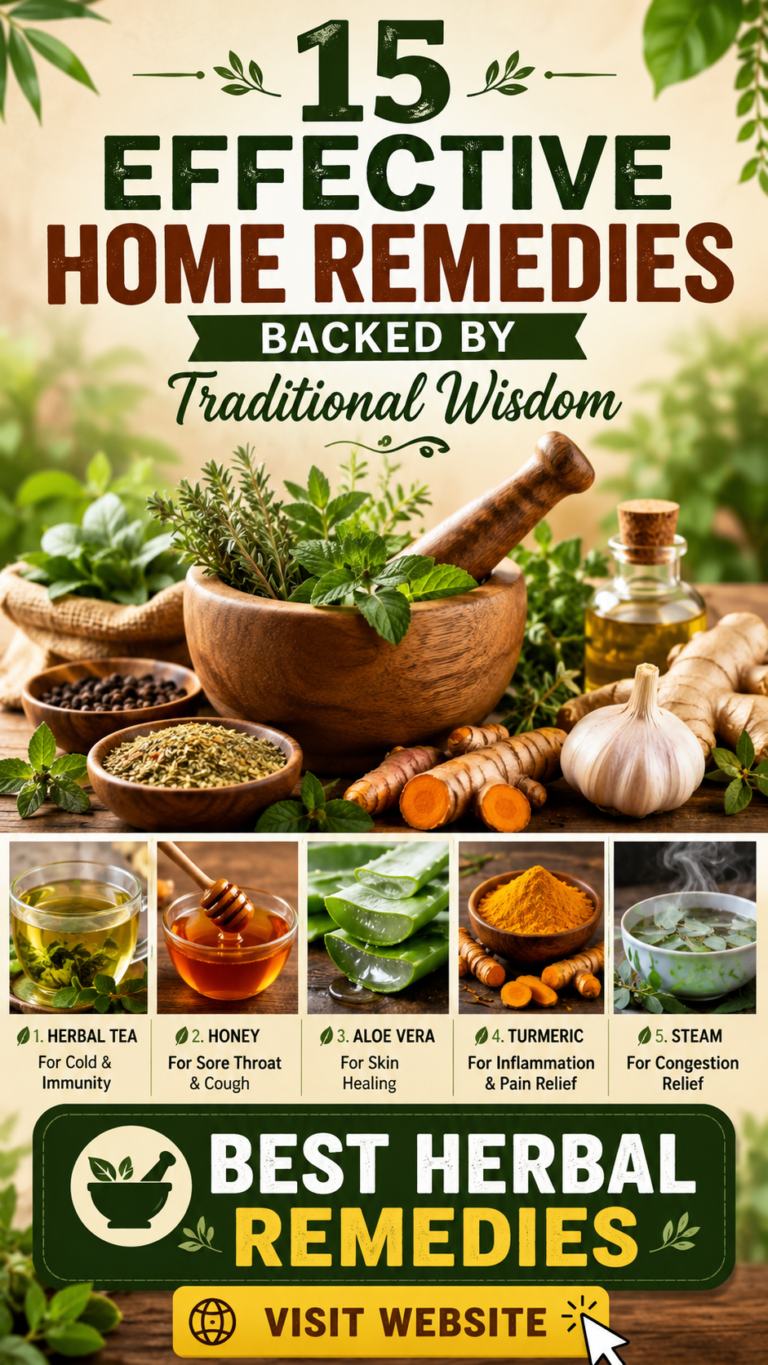
15 Herbs That Support a Healthy Lifestyle
For thousands of years, long before the advent of modern laboratories, humanity turned to the earth for healing. Traditional Chinese Medicine, Ayurveda, and Native American healing practices all recognized that the plants growing in our backyards and wild meadows hold the keys to vitality. Today, modern science is finally catching up, validating what our ancestors knew instinctively: herbs are nutritional and medicinal powerhouses.
Incorporating specific herbs into your daily routine can do more than just season your food; it can bolster your immune system, sharpen your cognitive function, and provide a buffer against the stressors of modern life. Here are 15 extraordinary herbs that can help you build a foundation for a healthy lifestyle.
1. Turmeric (Curcuma longa)
Often referred to as the “Golden Spice,” turmeric is perhaps the most well-studied medicinal herb in existence. Its primary active compound, curcumin, is a potent anti-inflammatory and antioxidant.
- Key Benefits: Curcumin helps neutralize free radicals and inhibits the molecules that cause inflammation in the body’s tissues. It is widely used to support joint health and may even improve brain function by boosting levels of Brain-Derived Neurotrophic Factor (BDNF).
- Pro Tip: Curcumin is poorly absorbed into the bloodstream on its own. Always consume it with black pepper, which contains piperine—a substance that increases curcumin absorption by 2,000%.
2. Ginger (Zingiber officinale)
A close relative of turmeric, ginger has been a staple in digestive health for millennia. Its pungent aroma and flavor come from gingerol, a bioactive compound with powerful medicinal properties.
- Key Benefits: Ginger is famous for its ability to alleviate nausea, whether from motion sickness, pregnancy, or chemotherapy. It also aids digestion by speeding up the emptying of the stomach and possesses anti-inflammatory properties that may help reduce muscle pain after exercise.
- How to Use: Fresh ginger root can be steeped into a warming tea or grated into stir-fries and smoothies for an instant health boost.
3. Ashwagandha (Withania somnifera)
In the world of herbalism, ashwagandha is known as an “adaptogen.” This means it helps the body manage and “adapt” to stress, balancing the various systems during times of physical or emotional strain.
- Key Benefits: Ashwagandha is highly effective at reducing cortisol levels—the body’s primary stress hormone. Regular use has been linked to improved sleep quality, reduced anxiety, and increased physical strength and endurance.
- Healthy Lifestyle Tip: Since it can have a calming effect, many people prefer taking ashwagandha in the evening to wind down after a long day.
4. Holy Basil (Ocimum tenuiflorum)
Also known as Tulsi, Holy Basil is considered the “Queen of Herbs” in India. Unlike the sweet basil used in pesto, Holy Basil has a spicy, clove-like flavor and is used primarily for its therapeutic effects.
- Key Benefits: Like ashwagandha, Tulsi is an adaptogen. It is particularly effective at supporting the respiratory system and promoting mental clarity. It is also believed to have antimicrobial properties that support oral health.
- How to Use: Tulsi is most commonly enjoyed as a caffeine-free herbal tea, providing a meditative and soothing experience.
5. Garlic (Allium sativum)
While often treated as a culinary staple, garlic is botanically a herb that belongs to the Allium family. Its medicinal punch comes from allicin, a sulfur compound released when the clove is crushed or chopped.
- Key Benefits: Garlic is a cardiovascular champion. It has been shown to help lower blood pressure and improve cholesterol levels. Furthermore, its immune-boosting properties make it a go-to remedy for shortening the duration of the common cold.
- Pro Tip: Let chopped garlic sit for 10 minutes before cooking it. This “resting period” allows the allicin to fully form and remain stable during heating.
6. Peppermint (Mentha piperita)
Peppermint is more than just a breath freshener; it is a versatile herb that supports both the digestive system and the mind.
- Key Benefits: The menthol in peppermint acts as a natural muscle relaxant, particularly in the gastrointestinal tract, making it an excellent remedy for Irritable Bowel Syndrome (IBS) and bloating. Inhaling the scent of peppermint oil has also been shown to improve focus and reduce headaches.
- How to Use: Drink a cup of peppermint tea after a heavy meal to aid digestion, or use the essential oil in a diffuser during work hours for mental alertness.
7. Rosemary (Salvia rosmarinus)
Rosemary is the herb of “remembrance.” Historically, students in ancient Greece wore garlands of rosemary to help them during exams, and modern research suggests they were onto something.
- Key Benefits: Rosemary contains carnosic acid, which helps protect the brain from free radical damage. Studies have shown that even the aroma of rosemary can improve memory performance and mood. It is also rich in antioxidants that support a healthy immune system.
- How to Use: Beyond roasting it with vegetables, you can use rosemary-infused water as a hair rinse to stimulate the scalp and promote hair growth.
8. Sage (Salvia officinalis)
Sage derives its name from the Latin word salvere, which means “to be saved.” It has earned a reputation as a powerful healer, particularly for cognitive and hormonal health.
- Key Benefits: Sage is exceptionally high in antioxidants. It has been shown to improve brain function and memory, particularly in older adults. For women, sage is frequently used to manage symptoms of menopause, such as hot flashes and irritability.
- Healthy Lifestyle Tip: Sage leaves can be used in a natural mouthwash or gargle to soothe sore throats and support gum health due to their antibacterial properties.
9. Milk Thistle (Silybum marianum)
If you are looking to support your body’s natural detoxification processes, milk thistle is the herb of choice. Its active ingredient, silymarin, is a powerful flavonoid.
- Key Benefits: Milk thistle is primarily used to protect the liver. It helps regenerate liver tissue, reduces inflammation, and protects liver cells from damage caused by toxins like alcohol or environmental pollutants.
- Note: Milk thistle is most commonly taken in capsule or tincture form, as the seeds are difficult to incorporate into standard cooking.
10. Echinacea (Echinacea purpurea)
Echinacea is one of the most popular herbs globally, particularly during the winter months. Native to North America, it was used by indigenous tribes for centuries to treat various infections.
- Key Benefits: Echinacea is an immune-stimulant. It encourages the production of white blood cells, which are the body’s primary defense against pathogens. Taking echinacea at the first sign of a tickle in your throat may help reduce the severity of a cold.
- How to Use: It is most effective when taken in short bursts (7-10 days) rather than as a year-round supplement.
11. Ginkgo Biloba
As one of the oldest living tree species, Ginkgo Biloba is often referred to as a “living fossil.” Its leaves have been used in traditional medicine for thousands of years to improve vitality.
- Key Benefits: Ginkgo is renowned for its ability to improve blood circulation, particularly to the brain. This enhanced blood flow can lead to better concentration, improved memory, and a reduced risk of age-related cognitive decline. It is also used to support eye health.
- Healthy Lifestyle Tip: Because it affects blood flow, consult a professional if you are taking blood-thinning medications.
12. Chamomile (Matricaria chamomilla)
In a fast-paced world, chamomile is the ultimate “calm-down” herb. It is best known for its gentle sedative properties.
- Key Benefits: Chamomile contains apigenin, an antioxidant that binds to certain receptors in your brain that may promote sleepiness and reduce insomnia. It is also excellent for soothing an upset stomach and reducing skin inflammation when applied topically.
- How to Use: A strong cup of chamomile tea 30 minutes before bed is a classic ritual for a restful night’s sleep.
13. Dandelion (Taraxacum officinale)
Many see it as a weed, but the dandelion is actually a nutrient-dense herb where every part—from root to flower—is edible and medicinal.
- Key Benefits: Dandelion acts as a gentle diuretic, helping the body flush out excess fluid and toxins without depleting potassium. The root is particularly beneficial for bile production and gallbladder health, while the leaves are packed with Vitamins A, C, and K.
- How to Use: Add young dandelion greens to your salads for a bitter kick that stimulates digestion, or try roasted dandelion root as a caffeine-free coffee substitute.
14. Oregano (Origanum vulgare)
Oregano is far more than a pizza topping. It contains carvacrol and thymol, two compounds with potent antimicrobial and antifungal properties.
- Key Benefits: Oregano is a natural antibiotic. Research suggests it can help fight off various types of bacteria and may even be effective against certain yeast infections. It is also one of the highest-ranking herbs on the ORAC scale (which measures antioxidant capacity).
- How to Use: Use the dried herb liberally in Mediterranean cooking, or use “Oil of Oregano” (diluted) during times of illness for its concentrated germ-fighting power.
15. Ginseng (Panax ginseng)
Ginseng is a cornerstone of traditional medicine, prized for its ability to restore energy and vitality to the body.
- Key Benefits: Known as a general tonic, ginseng helps fight fatigue and increases mental alertness. It also has a positive effect on the immune system and may help regulate blood sugar levels. There are two main types: Asian (Panax) and American (Panax quinquefolius), with the Asian variety generally being more “heating” and energizing.
- Healthy Lifestyle Tip: Ginseng is best used in “cycles”—take it for a few weeks, then take a week off to prevent the body from becoming too accustomed to its effects.
A Final Note on Herbal Safety
While herbs are natural, they are also powerful. They can interact with prescription medications or may not be suitable for individuals with certain underlying health conditions. To truly support a healthy lifestyle:
- Quality Matters: Choose organic herbs whenever possible to avoid pesticide residue.
- Consult a Professional: Always speak with a healthcare provider or a certified herbalist before starting a new supplement regimen, especially if you are pregnant or nursing.
- Listen to Your Body: Everyone’s chemistry is unique. Start with small doses and observe how your body responds to each herb.
By integrating these 15 botanical wonders into your life, you aren’t just adding flavor—you are tapping into an ancient lineage of health and wellness that supports your body from the inside out.