
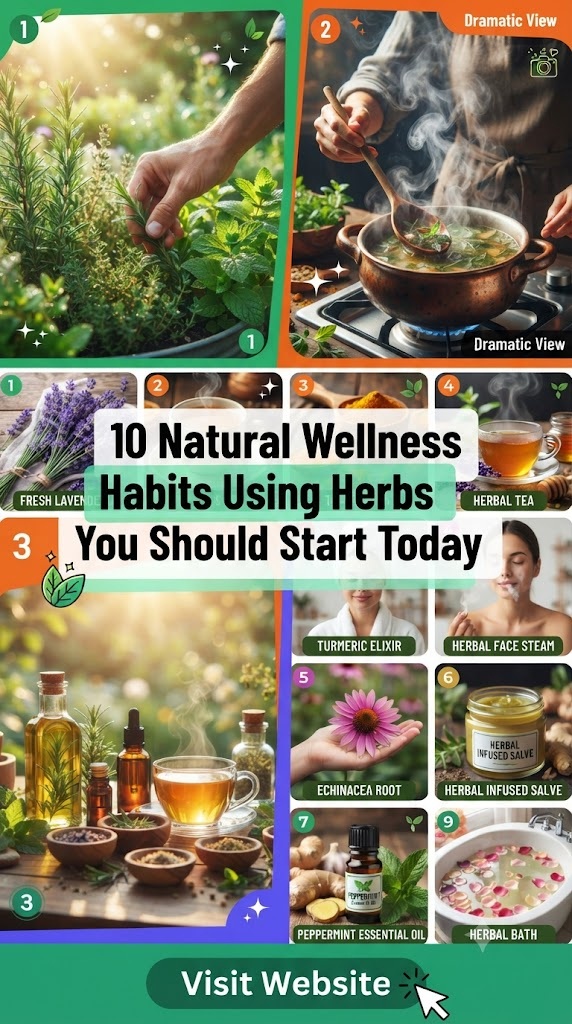
Everyday Herbal Wellness Tips
Introduction
But with so much information online, it can be hard to separate fact from fiction. Which herbs actually work? How do you use them safely? And what can you realistically expect?
This guide to everyday herbal wellness tips cuts through the noise. You’ll learn about common, accessible herbs that can be easily incorporated into your daily routine, how to prepare and use them, what the science says about their potential benefits, and—most importantly—how to use them safely. Whether you’re completely new to herbal wellness or looking to expand your knowledge, this article offers practical, trustworthy information for the modern American lifestyle.
What Are Everyday Herbal Wellness Tips?
Everyday herbal wellness tips are simple, practical ways to incorporate herbs into your daily life to support overall well-being. Unlike prescription medications or concentrated supplements, these approaches focus on using culinary and medicinal herbs in gentle, sustainable ways—think teas, culinary additions, aromatherapy, and simple preparations.
The philosophy behind everyday herbal wellness is rooted in the idea that small, consistent habits can add up to meaningful support for your health. It’s not about replacing medical care or chasing quick fixes. Instead, it’s about giving your body natural tools to help it function at its best.
In the United States, interest in herbal wellness has grown significantly in recent years. According to the American College of Healthcare Sciences, more and more people are rediscovering traditional herbal remedies as simple, natural tools for wellness. And for good reason: many of the most helpful herbs are probably already in your kitchen or garden.
Key Ingredients for Everyday Herbal Wellness
The herbs below are widely available in the United States, generally safe when used appropriately, and backed by a combination of traditional use and modern research. Here’s what you need to know about each one.
Chamomile (Matricaria recutita)
Recommended amount: 1–2 teaspoons of dried flowers per cup of hot water for tea; up to 3 cups daily.
Purpose: Chamomile is one of the gentlest herbs, making it a popular choice for both kids and adults. It’s most commonly used in the U.S. to help with anxiety and relaxation. Research also suggests it may help ease occasional anxiety and improve overall sleep quality. Chamomile contains antioxidants that may help stimulate the immune system.
Availability: Readily available as dried flowers, tea bags, and capsules at most grocery stores and health food stores.
Peppermint (Mentha × piperita)
Recommended amount: 1 tablespoon of fresh leaves or 1 teaspoon of dried leaves per cup of hot water for tea.
Purpose: Peppermint is refreshing and soothing at the same time. A cup of peppermint tea after dinner can help settle digestion, and studies have found peppermint oil can be especially helpful for digestive discomfort like bloating or occasional abdominal pain. The scent alone feels energizing and may help with mental clarity.
Note: If you deal with acid reflux or heartburn, peppermint may not be the best fit, as it can relax the lower esophageal sphincter.
Availability: Fresh leaves in produce sections, dried leaves in tea aisles, and easy to grow in a pot on your windowsill.
Ginger (Zingiber officinale)
Recommended amount: 1–2 teaspoons of freshly grated root or ½ teaspoon of dried powder per cup of hot water; up to 4 grams daily from food sources.
Purpose: Ginger is best known for easing nausea and motion sickness. Research suggests it may help with nausea from pregnancy and chemotherapy. It also has strong anti-inflammatory and antioxidant properties. Ginger contains a bioactive substance called gingerol, which can speed up digestion, allowing food to move more quickly through your stomach and helping reduce heartburn, bloating, and gas.
Availability: Fresh ginger root in the produce section, dried ground ginger in the spice aisle, and as capsules or teas.
Lavender (Lavandula angustifolia)
Recommended amount: 1–2 teaspoons of dried flowers per cup of hot water for tea; or use in a diffuser (5–10 drops of essential oil).
Purpose: Lavender is most often associated with relaxation. A sachet tucked under your pillow, a few drops in a diffuser, or even just brushing your hands through a lavender plant can help set the tone for winding down in the evening. While formal studies are limited, lavender has been used for generations to support relaxation. Teas like lavender and lemon balm are known for their soothing and calming effects, which can enhance sleep quality.
Availability: Dried flowers, essential oil, and tea bags at most health food stores and online.
Rosemary (Rosmarinus officinalis)
Recommended amount: 1 teaspoon of dried leaves or 1 tablespoon of fresh leaves per cup of hot water for tea; or use liberally in cooking.
Purpose: Rosemary isn’t just for cooking; it’s been connected with memory and focus since ancient times. Early research suggests rosemary may have cognitive benefits, though more studies are needed. The scent alone feels uplifting, and having a pot of rosemary in the kitchen is both practical and beautiful. Some research suggests that rosemary may support memory and attention.
Availability: Fresh in the produce section, dried in the spice aisle, and easy to grow indoors or outdoors.
Adaptogenic Herbs: Ashwagandha and Holy Basil (Tulsi)
Recommended amount: Ashwagandha: 300–500 mg of standardized extract daily; Holy Basil: 300 mg of extract daily.
Purpose: Adaptogens are herbs that help the body adapt to stress. Ashwagandha is an adaptogen that supports the body in working through both mental and physical stress. Some research has shown that taking ashwagandha may boost energy levels by improving sleep and potentially easing anxiety.
Holy basil (tulsi) is revered in Ayurveda as a plant that helps support equilibrium. A 2017 randomized controlled trial found that 300 mg of holy basil extract daily for 6 weeks significantly reduced stress scores and improved sleep quality compared to placebo. As an adaptogen, it may help modulate the hypothalamic-pituitary-adrenal (HPA) axis, potentially reducing excessive cortisol production during stress.
Availability: Capsules, powders, and tinctures at health food stores and online. Always choose products from reputable brands with third-party testing.
How to Make Everyday Herbal Teas
Making herbal tea is one of the simplest and most enjoyable ways to incorporate herbs into your daily routine. Here’s a basic method that works for most dried herbs.
Basic Herbal Tea Recipe
Preparation time: 5–10 minutes
Ingredients:
-
1–2 teaspoons dried herb (or 1 tablespoon fresh herb) per cup of water
-
8 ounces of filtered water
-
Honey, lemon, or a cinnamon stick to taste (optional)
Instructions:
-
Boil the water. Bring fresh, filtered water to a rolling boil.
-
Prepare the herbs. Place the dried or fresh herbs in a teapot, mug, or infuser. If using fresh herbs, gently bruise them by rubbing them between your fingers to release their oils.
-
Pour and steep. Pour the boiling water over the herbs. Cover the container to keep the volatile oils from escaping. Steep for 5–10 minutes. Delicate herbs like chamomile and lavender need about 5 minutes; tougher roots like ginger need 10 minutes or more.
-
Strain and enjoy. Strain the herbs and add honey, lemon, or other flavorings if desired.
Storage: Store dried herbs in an airtight glass jar away from direct sunlight and heat. Most dried herbs retain their potency for 6–12 months. Fresh herbs should be used within a few days or can be frozen in ice cube trays with water for later use.
How to Use Everyday Herbal Wellness Tips
One of the best things about everyday herbal wellness tips is how easy they are to weave into your existing routine. Here are practical ways to use herbs throughout your day:
Morning: Start your day with a cup of ginger tea to gently wake up your digestion. Or add fresh rosemary to your breakfast eggs or avocado toast for a cognitive boost.
Midday: When afternoon fatigue hits, try peppermint tea for a refreshing pick-me-up that doesn’t involve caffeine. The scent alone feels energizing.
Evening: Create a wind-down ritual with chamomile or lavender tea about an hour before bed. A cup of chamomile tea before bed can help calm a busy mind and support more restful sleep.
As needed: For occasional stress, consider a cup of tulsi (holy basil) tea or a warm bath with a few drops of lavender essential oil.
Frequency: For most herbs consumed as tea, 1–3 cups daily is a reasonable and safe amount for healthy adults. For supplements like ashwagandha, follow package directions and consult a healthcare provider.
Potential Benefits of Everyday Herbal Wellness
May Support Relaxation and Better Sleep
Chamomile, lavender, and lemon balm are well-known for their soothing and calming effects. A cup of chamomile tea before bed can help calm a busy mind and support more restful sleep. While more research is needed on some of these herbs, the traditional use is extensive, and preliminary studies are promising.
Scientific evidence: Some studies have shown chamomile may help reduce the severity of symptoms of generalized anxiety disorder. Lavender has been used for generations to support relaxation.
May Support Digestive Comfort
Ginger, peppermint, and chamomile all have traditional uses for digestive support. Ginger contains gingerol, which can speed up digestion and help reduce heartburn, bloating, and gas. Peppermint oil has been found especially helpful for digestive discomfort like bloating or occasional abdominal pain.
Scientific evidence: Research supports ginger’s effectiveness for nausea from various causes. Peppermint has been studied for its benefits in managing digestive discomfort.
May Help the Body Adapt to Stress
Adaptogenic herbs like ashwagandha and holy basil are traditionally used to help the body cope with stress. These herbs don’t sedate; instead, they work gradually, helping smooth out the edges of daily stress.
Scientific evidence: A 2017 study found that 300 mg of holy basil extract daily for 6 weeks significantly reduced stress scores. Ashwagandha has shown promise in supporting energy levels by improving sleep and potentially easing anxiety.
May Support Heart Health
Some herbs may offer cardiovascular support. Research suggests that hibiscus tea can help reduce blood pressure. Chamomile has antioxidant properties that may help improve cardiovascular conditions. However, more research is needed in many areas.
Scientific evidence: Studies have shown that hibiscus tea can lower systolic blood pressure. Olive leaf extracts have also shown blood pressure-lowering effects in research.
May Support Cognitive Function
Rosemary has been connected with memory and focus since ancient times. Early research suggests rosemary may have cognitive benefits, though more studies are needed. Some research suggests that regular intake of rosemary tea may enhance brain function.
Why These Ingredients May Work
The potential benefits of herbs come from their complex mix of naturally occurring compounds.
Antioxidants: Many herbs are rich in antioxidants—substances that lower inflammation and protect against cell damage. Basil, for example, is full of antioxidants like flavonoids, polyphenols, and phenolic acids.
Bioactive compounds: Ginger contains gingerol, which has anti-inflammatory properties. Chamomile contains compounds that may have anti-anxiety effects. Peppermint contains menthol, which has soothing properties.
Adaptogenic mechanisms: Adaptogens like ashwagandha and holy basil may help modulate the hypothalamic-pituitary-adrenal (HPA) axis, potentially reducing excessive cortisol production during stress.
It’s important to understand that while these mechanisms are promising, the research is often preliminary. Many studies are small, and results can vary. Herbs work gently and gradually, not like pharmaceutical drugs. They are best thought of as supportive tools rather than treatments.
Who May Benefit From This Remedy
Everyday herbal wellness tips may be useful for healthy adults who want to support their overall well-being in natural ways. Specifically, you might find these approaches helpful if you:
-
Experience occasional stress and want gentle, natural ways to unwind
-
Have occasional digestive discomfort after meals
-
Want to improve your sleep quality without relying on sleep aids
-
Are looking for flavorful, healthy additions to your cooking
-
Prefer a holistic approach to wellness that includes natural remedies
These approaches are generally safe for most healthy adults when used appropriately. However, they are not a substitute for medical care. If you have persistent, severe, or concerning symptoms, always consult a qualified healthcare professional.
Possible Side Effects and Safety Precautions
Even though herbs are natural, “natural” does not always mean safe. Herbal remedies can interact with other medicines or be toxic at high doses. Some may cause side effects.
General Safety Guidelines
-
Tell your healthcare provider about any herbs or supplements you use. They need to know if they may cause problems when combined with other medicines you take.
-
Start low and go slow. Begin with small amounts to see how your body responds.
-
Buy from reputable brands that have certifications like “USP Verified” or “ConsumerLab.com Approved Quality”.
-
Don’t believe miracle claims. If something sounds too good to be true, it probably is.
Specific Side Effects
-
Chamomile: Generally considered safe by the FDA. However, it might make you feel more tired if you’re taking other sedative medications. People allergic to plants in the daisy family (ragweed, chrysanthemums, marigolds) may have an allergic reaction.
-
Ginger: Side effects may include bloating, gas, heartburn, and nausea at high doses. Ginger may slow blood clotting and can be dangerous if you take antiplatelet or anticoagulant medicines.
-
Peppermint: May worsen acid reflux or heartburn.
-
Ashwagandha and adaptogens: Generally well-tolerated, but can cause digestive upset in some people. Long-term safety data is limited.
-
Garlic: Can increase your risk of bleeding and should not be used with warfarin or other blood-thinning medicines.
Who Should Avoid It
Certain individuals should be especially cautious with herbal remedies:
-
Pregnant or nursing women: Data on the safety of many herbal products in pregnancy is limited. Consult your healthcare provider before using any herbs during pregnancy or while breastfeeding.
-
People taking prescription medications: Many herbal supplements can interact with prescription drugs. Some of these interactions can be life-threatening. This is especially true for heart medications, blood thinners, and antidepressants.
-
People with chronic medical conditions: If you have high blood pressure, heart disease, liver or kidney conditions, or any other chronic condition, talk to your doctor before using herbs.
-
People scheduled for surgery: Herbs like garlic, ginkgo, and ginseng can interfere with blood clotting. Stop using herbal supplements at least two weeks before surgery and tell your surgeon.
-
People with allergies: If you’re allergic to plants in the daisy family (ragweed, chrysanthemums, marigolds), avoid chamomile and echinacea.
-
Children and older adults: Do not give herbal supplements to children or use them if you are older than 65 without talking to your healthcare provider first.
How Long Does It Take to See Results?
This is one of the most common questions about everyday herbal wellness, and the honest answer is: it depends.
For acute issues: Some benefits can be felt almost immediately. A cup of ginger tea may help settle your stomach within 15–30 minutes. Peppermint tea can provide quick relief from bloating. Chamomile tea before bed may help you feel more relaxed within an hour.
For chronic or ongoing issues: Adaptogens and herbs used for stress support typically work gradually over weeks or months. A 2017 study on holy basil found significant results after 6 weeks of daily use. Ashwagandha may take several weeks of consistent use before you notice changes in stress levels or energy.
Individual variation: Everyone’s body responds differently. Factors like your overall health, diet, stress levels, and the quality of the herbs all play a role. Some people notice benefits quickly; others may need more time.
Important: Herbs are supportive tools, not quick fixes. They work best as part of a holistic approach that includes good nutrition, regular physical activity, adequate sleep, and stress management. Don’t expect miracles, and don’t be discouraged if you don’t notice dramatic changes immediately.
Tips for Best Results
-
Be consistent. Herbs work best when used regularly as part of your daily routine, not just occasionally.
-
Start with one herb at a time. This helps you notice how each herb affects you and makes it easier to identify any sensitivities.
-
Choose quality products. Buy from reputable brands with third-party testing. Look for certifications like “USP Verified” or “ConsumerLab.com Approved Quality” on supplement labels.
-
Use fresh when possible. Fresh herbs often have more vibrant flavors and higher levels of active compounds than dried ones. Grow a few pots on your windowsill for easy access.
-
Pair herbs with healthy habits. Herbal wellness works best alongside good nutrition, regular exercise, adequate sleep, and stress management.
-
Listen to your body. Pay attention to how you feel. If something doesn’t agree with you, stop using it.
-
Keep a journal. Note which herbs you try, when you use them, and how you feel. This can help you identify what works best for you.
-
Combine herbs thoughtfully. Many herbs work well together. Mint, tulsi, and lemon balm together make a remarkably nuanced cup of tea.
Common Mistakes to Avoid
Mistake #1: Assuming “natural” means “safe.” Just because something comes from a plant doesn’t mean it’s harmless at any dose. Some herbs can be toxic at high doses or interact dangerously with medications.
Mistake #2: Taking too much. More is not better when it comes to herbs. Follow recommended amounts and start with smaller doses to see how your body responds.
Mistake #3: Not telling your doctor. Many people who take herbal supplements don’t tell their healthcare providers. This can be dangerous if you’re also taking prescription medications.
Mistake #4: Expecting instant results. Herbs work gently and gradually. Don’t expect dramatic changes overnight.
Mistake #5: Using herbs as a substitute for medical care. Herbal wellness is complementary to, not a replacement for, conventional medical care. If you have persistent or concerning symptoms, see a healthcare professional.
Mistake #6: Buying cheap, low-quality products. Some companies add fillers to make their herbal supplements cheaper. These may not work as well or may cause side effects.
Mistake #7: Ignoring allergies and sensitivities. If you’re allergic to ragweed, you may also react to chamomile. Always be aware of your personal sensitivities.
Frequently Asked Questions (FAQs)
1. Can I drink herbal tea every day?
Yes, for most healthy adults, drinking 1–3 cups of herbal tea daily is safe. Different blends offer specific benefits, such as improving digestion, promoting better sleep, and supporting heart health. However, if you’re pregnant, nursing, or taking medications, check with your healthcare provider first.
2. What are the best herbs for stress and anxiety?
Chamomile, lavender, lemon balm, and adaptogens like ashwagandha and holy basil are commonly used for stress support. Chamomile tea is often used in the U.S. to help with anxiety and relaxation. However, if you have significant anxiety, please consult a healthcare professional.
3. Can I use herbs while taking prescription medications?
Many herbal supplements can interact with prescription drugs. Some of these interactions can be life-threatening. Always tell your healthcare provider about any herbs or supplements you take.
4. How do I know if an herbal supplement is high quality?
Look for certifications on the label such as “USP Verified” or “ConsumerLab.com Approved Quality”. Buy from reputable brands and avoid products that make exaggerated or “miracle” claims.
5. Can children use herbal teas?
Some gentle herbs like chamomile are popular choices for children. However, you should always talk to your child’s pediatrician before giving any herbal products to children.
6. Is it safe to drink herbal tea during pregnancy?
Data on the safety of many herbal products in pregnancy is limited. Some herbs, like ginger, have been studied for pregnancy-related nausea, but you should always consult your healthcare provider before using any herbs during pregnancy.
7. How should I store dried herbs?
Store dried herbs in an airtight glass jar away from direct sunlight and heat. Most dried herbs retain their potency for 6–12 months.
8. Can I grow my own herbs for wellness?
Absolutely! Many of the most helpful herbs are easy to grow in a windowsill garden or backyard. Chamomile, peppermint, rosemary, and lavender are all excellent choices for home growing.
9. What’s the difference between an herb and a spice?
Herbs come from the leaves or stems of a plant, while spices come from other parts like roots, bark, seeds, or flowers. Both can have wellness benefits.
10. How much herbal tea is too much?
For most healthy adults, 3–4 cups of herbal tea daily is generally considered safe. However, this depends on the specific herb. Some herbs may cause side effects at high doses. Always follow package directions and consult a healthcare provider if you’re unsure.
Final Thoughts
Incorporating everyday herbal wellness tips into your life doesn’t have to be complicated. Start with one or two herbs that appeal to you—perhaps a cup of chamomile tea before bed or some fresh rosemary on your roasted vegetables. Pay attention to how you feel, and adjust as needed.
The herbs discussed in this article—chamomile, peppermint, ginger, lavender, rosemary, and adaptogens like ashwagandha and holy basil—are widely available, generally safe, and supported by a combination of traditional use and modern research. They offer gentle, natural ways to support relaxation, digestion, stress resilience, and overall well-being.
Remember, however, that herbs are supportive tools, not substitutes for medical care. They work best as part of a holistic approach that includes good nutrition, regular physical activity, adequate sleep, and stress management. And always, always talk to your healthcare provider before starting any new herbal routine, especially if you’re pregnant, nursing, taking medications, or have a chronic health condition.
Here’s to your health—naturally.