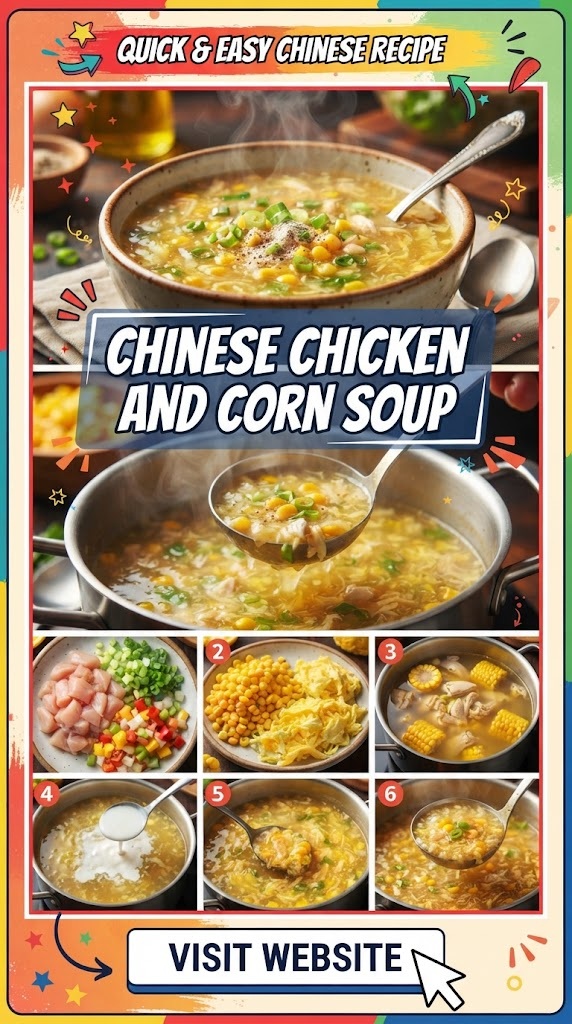
Chicken and Corn Soup (Chinese)
In the vast and storied landscape of Chinese gastronomy, few dishes bridge the gap between humble home cooking and high-end banquet elegance quite like Chicken and Corn Soup. Known in Mandarin as Ji Rong Yu Mi Tang (literally “Chicken Velvet Corn Soup”), this golden-hued delicacy is a staple of Cantonese cuisine and a beloved fixture in Chinese restaurants across the United States. It is a dish that defies the complexity of its flavor with the simplicity of its preparation, offering a velvety, savory-sweet experience that warms the soul.
Whether you are seeking a nostalgic taste of your favorite takeout or aiming to master a classic technique, this comprehensive guide will explore the history, science, and artistry behind the perfect bowl of Chinese Chicken and Corn Soup.
The Cultural Heart of Chicken and Corn Soup
To understand Chicken and Corn Soup, one must first appreciate the Cantonese philosophy of tong (soup). In southern China, soup is not merely an appetizer; it is a restorative tonic, a way to balance the body’s internal heat, and a mandatory component of a complete meal.
Chicken and Corn Soup occupies a unique space. While many traditional Chinese soups are clear broths (consommés) or long-boiled herbal stews, this soup is thick, hearty, and remarkably accessible. It gained massive popularity in the mid-20th century, particularly as Chinese immigrants adapted their recipes to Western ingredients. The discovery that canned creamed corn perfectly replicated the desired texture and sweetness of traditional hand-mashed corn was a culinary turning point, making this dish a quintessential example of “East meets West” culinary evolution.
The Anatomy of the Perfect Bowl: Essential Ingredients
Creating a restaurant-quality soup at home requires more than just throwing ingredients into a pot. Each component plays a vital role in the final texture and flavor profile.
1. The Chicken: Velvety and Tender
In a traditional Ji Rong (Chicken Velvet) soup, the chicken is often finely minced or even pulsed into a paste. However, for a more textural experience, many prefer thinly sliced or shredded chicken.
- The Cut: Chicken breast is the standard for its clean look, but chicken thighs offer more succulence.
- The Technique: To prevent the chicken from becoming “woody” or dry, it must be “velveted”—a Chinese technique involving a marinade of cornstarch and a splash of rice wine.
2. The Corn: A Dual-Texture Approach
The secret to the soup’s iconic consistency lies in using two types of corn:
- Cream Style Corn: This provides the thick, sweet, and opaque base. It acts as both a flavor agent and a natural thickener.
- Whole Kernel Corn: Whether fresh, frozen, or canned, these kernels provide a necessary “pop” of texture against the silky broth.
3. The Aromatics: The Holy Trinity
Chinese cooking relies heavily on aromatics to build layers of flavor. For this soup, you need:
- Fresh Ginger: Sliced into rounds to be removed later, or finely minced to stay in the soup. Ginger cuts through the sweetness of the corn and adds a subtle heat.
- Scallions (Green Onions): The white parts are simmered for depth, while the green tops are used as a fresh garnish.
- White Pepper: Unlike black pepper, white pepper provides a floral, sharp heat that doesn’t muddy the visual clarity of the golden soup.
4. The Liquid Gold: Superior Stock
While water can be used, a high-quality chicken stock is the backbone of the dish. In professional kitchens, this is often Gao Tang (Superior Broth), made by simmering chicken, pork bones, and Jinhua ham for hours. For the home cook, a low-sodium organic chicken broth infused with ginger and scallions is an excellent substitute.
5. The Thickeners and Finishes
- Cornstarch Slurry: This creates the “glossy” look characteristic of Chinese soups.
- The Egg: Whisked eggs are drizzled into the simmering soup to create “egg ribbons” or “egg flowers” (Dan Hua).
- Toasted Sesame Oil: A final drop before serving adds a nutty aroma that rounds out the sweetness.
The Master Recipe: Authentic Chinese Chicken and Corn Soup
This recipe serves 4-6 people and takes approximately 30 minutes to prepare.
Ingredients List
For the Chicken Prep:
- 1/2 lb (250g) Chicken breast, finely minced or thinly sliced
- 1 tsp Cornstarch
- 1 tsp Shaoxing rice wine (or dry sherry)
- A pinch of salt
For the Soup Base:
- 6 cups High-quality chicken stock
- 1 can (14.75 oz) Cream-style corn
- 1 cup Whole kernel corn (fresh or frozen)
- 1-inch piece of Fresh ginger, smashed
- 2 cloves Garlic, smashed (optional)
- 1 tbsp Light soy sauce (to maintain the light color)
- 1/2 tsp Sugar (optional, depending on corn sweetness)
- 1/2 tsp White pepper
For the Finish:
- 2 Large eggs, well-beaten
- 2 tbsp Cornstarch dissolved in 3 tbsp water (the slurry)
- 2 Scallions, thinly sliced
- 1 tsp Toasted sesame oil
- Optional: Finely chopped cilantro or crispy fried shallots
Step-by-Step Instructions
Phase 1: Preparing the Chicken
- Mince or Slice: If you want the traditional “velvet” texture, finely mince the chicken until it almost resembles a paste. For a heartier version, slice it into bite-sized matchsticks.
- Marinate: In a small bowl, toss the chicken with the cornstarch, rice wine, and salt. Let it sit for at least 15 minutes. This process protects the proteins from the high heat of the boiling broth.
Phase 2: Building the Broth
- Infuse: In a large pot, bring the chicken stock to a gentle boil. Add the smashed ginger and garlic. Let it simmer for 5–8 minutes to infuse the liquid with aromatic oils. Remove the ginger and garlic pieces with a slotted spoon.
- Add Corn: Stir in the cream-style corn and the whole kernels. Bring the mixture back to a simmer. You will notice the soup beginning to turn a vibrant, opaque yellow.
Phase 3: Cooking the Chicken
- Incorporate: Gently drop the marinated chicken into the simmering soup. Use a whisk or a pair of chopsticks to break up the pieces immediately so they don’t clump together.
- Simmer: Cook for 2–3 minutes until the chicken turns opaque and white.
Phase 4: Thickening and Seasoning
- Slurry: Give your cornstarch slurry a final stir (cornstarch settles at the bottom) and slowly pour it into the boiling soup while stirring constantly.
- Texture Check: Let the soup boil for 1 minute. It should become glossy and slightly viscous, thick enough to coat the back of a spoon.
- Season: Add the light soy sauce, white pepper, and sugar. Taste and adjust salt if necessary.
Phase 5: The Egg Flower Technique
- The Whirlpool: Turn off the heat or reduce it to the lowest setting. This prevents the eggs from becoming tough.
- The Pour: Using a fork or chopsticks held over the pot, slowly drizzle the beaten eggs into the soup in a thin stream.
- The Stir: Wait 10 seconds for the egg to set slightly, then gently stir in a circular motion. This creates beautiful, long, wispy ribbons rather than small, grainy bits.
Phase 6: Finishing Touches
- Garnish: Drizzle the toasted sesame oil over the surface.
- Serve: Ladle into warm bowls and top with plenty of fresh scallions.
Culinary Science: Why This Soup Works
The appeal of Chicken and Corn Soup lies in its textural contrast and flavor balance.
The Science of Thickening
Unlike Western soups that often use a roux (flour and fat), Chinese soups utilize cornstarch. Cornstarch creates a translucent, “cleaner” mouthfeel. It allows the natural sweetness of the corn to shine without the heavy, bread-like aftertaste of flour.
The Role of Creamed Corn
While it might seem like a “cheat” ingredient, creamed corn is actually a suspension of corn pulps and starches. It provides a consistent sugar content and a creamy mouthfeel without the need for dairy, making the soup naturally lactose-free while remaining rich.
The Power of White Pepper
White pepper is crucial in Chinese cuisine. It provides a “back-of-the-throat” heat that lingers without the pungent, “front-of-the-tongue” bite of black pepper. It also blends invisibly into the soup, maintaining its aesthetic purity.
Variations: Taking the Soup to the Next Level
Once you have mastered the basic recipe, you can experiment with various regional and modern interpretations.
1. Crab and Corn Soup (Xie Rou Yu Mi Tang)
This is the luxurious cousin of the chicken version. Replace the chicken with fresh lump crab meat. The sweetness of the crab complements the corn perfectly. This version is a staple at high-end Cantonese wedding banquets.
2. The Vegetarian Version
Omit the chicken and use a rich vegetable stock or a mushroom-based broth. For protein, add finely diced silken tofu. The tofu mimics the texture of the chicken “velvet” remarkably well.
3. Spicy Szechuan Twist
While the traditional soup is mild, a drizzle of chili oil and a teaspoon of Szechuan peppercorn oil can transform the dish into a numbing, spicy treat that clears the sinuses.
4. Seafood Medley
Add small bay scallops, shrimp, and diced white fish for a “Fisherman’s Style” corn soup.
Troubleshooting Common Mistakes
- The Soup is Too Thin: You likely didn’t cook the cornstarch slurry long enough. It must reach a boil to “activate” its thickening properties.
- The Soup is Too Thick: Simply whisk in a little more chicken stock or water until the desired consistency is reached.
- Rubbery Chicken: This happens if the chicken is boiled for too long. Remember, finely minced chicken cooks in under 120 seconds.
- Egg Clumps Instead of Ribbons: This occurs if the soup is boiling too violently when you add the eggs, or if you stir too quickly. Slow and steady is the key.
Nutritional Benefits: More Than Just Comfort Food
Chinese Chicken and Corn Soup is often referred to as “liquid gold” for its health-promoting properties.
- Digestive Health: Corn is a good source of dietary fiber, which aids in digestion.
- Protein-Rich: The combination of chicken and eggs provides a high-quality protein source that is easy for the body to process, making it ideal for those recovering from illness.
- Hydration and Electrolytes: The broth provides essential hydration and minerals, particularly sodium and potassium.
- Low Fat: Unlike creamy Western soups that use heavy cream or butter, this soup achieves its richness through starch and corn pulp, keeping the saturated fat content low.
Pairing Suggestions: Building a Full Chinese Menu
If you are serving this soup as part of a larger meal, consider these pairings to balance the flavors:
- Appetizer: Crispy Spring Rolls or Potstickers. The crunch of the fried wrappers provides a great contrast to the soft soup.
- Main Course: Beef and Broccoli or Shrimp Fried Rice. The savory soy-based sauces of these dishes complement the sweetness of the corn.
- Vegetable: Stir-fried Bok Choy with Garlic. A bright, green vegetable dish adds freshness to the meal.
- Drink: Jasmine Tea or Oolong Tea. The tannins in the tea help cleanse the palate between the sweet corn flavors.
The Secret of Restaurant-Style “Velvet” Chicken
To get that incredibly soft chicken texture found in top-tier Chinese restaurants, professionals use a technique called “Water Velveting.”
Before adding the marinated chicken to the soup, they briefly poach it in a separate pot of water with a dash of oil. This “sets” the cornstarch coating. When the chicken is then moved into the soup, it remains incredibly slippery and tender, and the coating doesn’t “leak” into the main broth, keeping the soup crystal clear (or in this case, perfectly golden).
Frequently Asked Questions (FAQs)
Can I use fresh corn on the cob?
Absolutely! In fact, it’s encouraged during the summer months. Use a knife to scrape the kernels off the cob, then use the back of the knife to scrape out the “milk” from the cob. This milk is concentrated corn flavor and will make your soup taste extraordinary.
How long does the soup keep in the fridge?
The soup stays fresh for about 3 days in an airtight container. Note that the cornstarch may “weep” or break down over time, making the soup thinner when reheated.
Can I freeze Chicken and Corn Soup?
It is not recommended to freeze soups thickened with cornstarch or containing egg ribbons, as the texture becomes spongy and watery upon thawing. This soup is best enjoyed fresh.
Is this soup gluten-free?
If you use a gluten-free chicken stock and replace the Shaoxing rice wine with a GF dry sherry, and ensure your soy sauce is Tamari (gluten-free), then yes! Cornstarch itself is naturally gluten-free.
Expert Tips for the Ultimate Experience
- The Color Factor: If your soup looks a bit pale, add a tiny pinch of turmeric. It won’t affect the flavor but will give the soup that vibrant, “sunny” yellow color seen in restaurants.
- Control the Sweetness: Some canned corn brands are very sweet. Balance this by adding an extra pinch of white pepper or a teaspoon of rice vinegar at the very end.
- Mincing the Chicken: For the best results, partially freeze your chicken breast for 20 minutes before mincing. This makes it much easier to cut into tiny, uniform pieces.
- The Final Drizzle: Never boil the soup after adding the sesame oil. High heat can turn the oil bitter and destroy its delicate aroma.
Conclusion: A Timeless Classic
Chinese Chicken and Corn Soup is a testament to the beauty of simple ingredients handled with care. It is a dish that speaks of home, of bustling family dinners, and of the comforting warmth that only a bowl of soup can provide. By mastering the techniques of velveting chicken and creating perfect egg ribbons, you bring a piece of authentic Chinese culinary tradition into your kitchen.
Whether you are cooking for a sick friend, a festive gathering, or simply a quiet Tuesday night, this soup is a guaranteed crowd-pleaser. Its golden hue, velvety texture, and the nostalgic pop of sweet corn make it a dish that will be requested time and time again. So, gather your ingredients, prep your aromatics, and enjoy the process of creating this liquid gold. Your taste buds—and your soul—will thank you.