
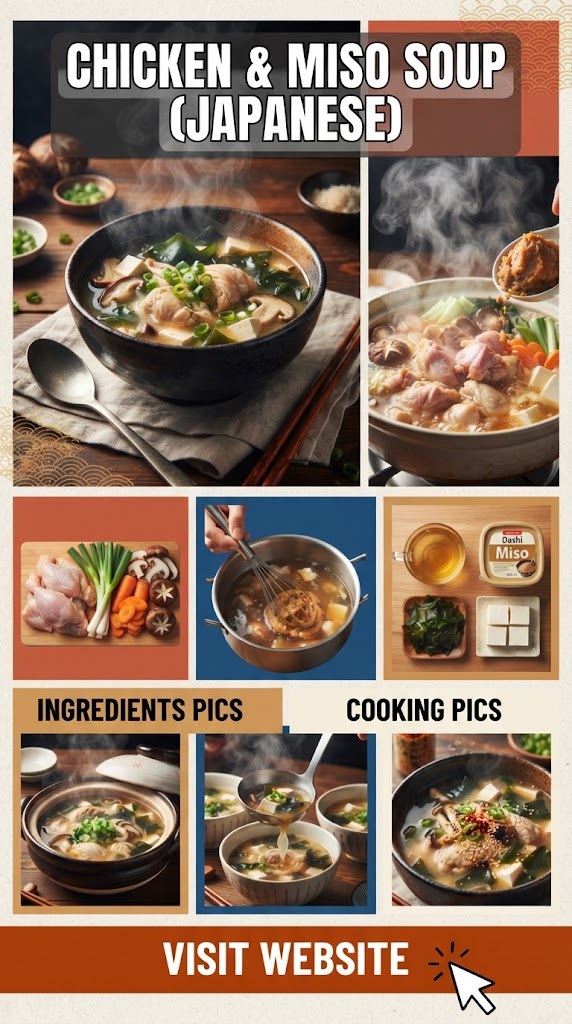
Chicken and Miso Soup (Japanese)
In the pantheon of global comfort foods, few dishes command as much respect and affection as Japanese Miso Soup. While the traditional version often features simple seaweed and tofu, the addition of succulent chicken transforms this humble starter into a robust, protein-packed meal. Known in Japan as Tori-miso-shiru, Chicken and Miso Soup is a masterclass in balancing the “Five Tastes,” specifically prioritizing the elusive quality of umami.
Whether you are seeking a soul-warming remedy for a winter cold, a post-workout protein boost, or a sophisticated yet simple weeknight dinner, this comprehensive guide will walk you through the history, the science, and the art of crafting the perfect bowl of Chicken and Miso Soup.
The Cultural Significance of Miso in Japanese Cuisine
To understand Chicken Miso Soup, one must first understand miso itself. Miso is more than just a seasoning; it is a foundational pillar of Japanese identity. For over 1,300 years, this fermented soybean paste has provided the nutritional backbone for the Japanese diet.
Historically, miso was a luxury item enjoyed only by royalty and the samurai class. It wasn’t until the Muromachi period (1336–1573) that it became a staple for the common people. Samurai specifically favored miso because of its high protein content and ease of transport—often consuming a thick miso paste mixed with dried ingredients on the battlefield.
When you add chicken to this mixture, you are participating in a tradition of “fortified soups” designed to provide maximum energy and warmth. In the modern American kitchen, this dish has evolved into a symbol of “clean eating,” bridging the gap between ancient fermentation wisdom and contemporary nutritional needs.
Deconstructing the Ingredients: The Anatomy of Flavor
An authentic Chicken Miso Soup is only as good as its individual components. Because the recipe is relatively simple, the quality of each ingredient becomes paramount.
1. The Chicken: Thigh vs. Breast
For the most authentic experience, chicken thighs are the gold standard. They contain more connective tissue and fat than breasts, which translates to a silkier broth and meat that remains tender even after simmering.
- Skin-on: Searing the skin first releases chicken fat (schmaltz), adding a layer of richness.
- Skinless: A lighter, cleaner-tasting broth.
2. The Miso Paste: Choosing Your Profile
Not all miso is created equal. The color usually dictates the intensity:
- Shiro Miso (White): Fermented for a shorter time with more rice. It is sweet, light, and perfect for beginners.
- Aka Miso (Red): Fermented longer with more soybeans. It is salty, pungent, and deep.
- Awase Miso (Mixed): A blend of red and white, providing a balanced, all-purpose flavor.
3. The Dashi: The Essential Stock
Dashi is the “secret sauce” of Japanese cooking. While you can use chicken stock, an authentic miso soup utilizes a base of Kombu (dried kelp) and Katsuobushi (bonito flakes). This creates a sea-sourced umami that perfectly complements the earthy tones of the chicken.
4. Aromatics and Vegetables
To elevate the soup from a snack to a meal, consider these additions:
- Ginger: Essential for cutting through the richness of the chicken.
- Negi (Japanese Long Onion): Or green onions for a sharp, fresh finish.
- Daikon Radish: Absorbs the broth and adds a soft, peppery crunch.
- Shiitake Mushrooms: Adds another dimension of umami and a meaty texture.
Step-by-Step: The Master Recipe for Chicken and Miso Soup
This recipe focuses on the “Sear and Simmer” method, which ensures the chicken is flavorful rather than just boiled.
Ingredients (Serves 4)
- 1 lb Chicken Thighs (boneless, cut into bite-sized pieces)
- 6 cups Dashi (or high-quality low-sodium chicken broth)
- 3-4 tablespoons Miso Paste (Awase or Shiro)
- 1 tablespoon Ginger (freshly grated)
- 2 cloves Garlic (minced)
- 1 cup Daikon Radish (sliced into half-moons)
- 4-5 Shiitake Mushrooms (sliced)
- 2 stalks Green Onions (finely chopped)
- 1 teaspoon Toasted Sesame Oil
- Optional: Silken tofu or Baby Bok Choy
Instructions
Step 1: The Flavor Foundation
Heat the sesame oil in a large pot over medium-high heat. Add the chicken pieces. Sear them until they are golden brown on the outside. You don’t need to cook them through yet; you are looking for the Maillard reaction to develop deep flavors.
Step 2: Aromatics
Add the grated ginger and minced garlic to the pot with the chicken. Stir for 30 seconds until fragrant, being careful not to burn the garlic.
Step 3: The Simmer
Pour in the dashi or chicken broth. Bring the mixture to a gentle boil, then immediately reduce to a simmer. Use a spoon to skim off any foam or “scum” that rises to the surface; this ensures your soup remains clear and clean-tasting.
Step 4: Adding Vegetables
Add the daikon radish and shiitake mushrooms. Simmer for about 10-12 minutes, or until the chicken is fully cooked and the radish is tender enough to be pierced by a fork.
Step 5: The “Miso Master” Technique (Crucial Step)
Never boil miso. High heat kills the beneficial probiotics and destroys the delicate aroma. Take a ladleful of the hot broth and put it into a small bowl. Add your miso paste to this small bowl and whisk it until it’s a smooth slurry. Pour this mixture back into the main pot. Turn off the heat immediately.
Step 6: Finishing Touches
Garnish with a generous handful of green onions and a drizzle of chili oil (la-yu) if you prefer a bit of heat.
The Science of Umami: Why Chicken and Miso Work Together
The reason Chicken Miso Soup feels so satisfying is rooted in food science. Umami is triggered by glutamates and nucleotides.
- Miso is packed with glutamate from the fermented soy.
- Chicken contains inosinate, a type of nucleotide.
- Mushrooms and Kombu contain guanylate.
When these three components meet, they create a synergistic effect where the perceived umami is significantly stronger than the sum of its parts. This is why a simple bowl of soup can feel as “filling” as a heavy steak.
Health Benefits: A Probiotic Powerhouse
In the United States, Japanese Chicken Miso Soup is frequently cited as a “superfood.” Here’s why it’s a nutritional titan:
- Digestive Health: Miso is a fermented food containing Aspergillus oryzae. These probiotics support a healthy gut microbiome, which is linked to improved immunity and even mental clarity.
- High-Quality Protein: Chicken provides the essential amino acids necessary for muscle repair, while miso offers a plant-based protein complement.
- Mineral Rich: The soup is a significant source of manganese, zinc, and vitamin K.
- Hydration and Electrolytes: The natural sodium in miso, combined with the water content, makes it an excellent recovery drink after physical exertion.
Regional Variations Across Japan
While the recipe above is a classic, Japan’s various prefectures have their own takes on chicken soup:
- Hokkaido Style: Often includes butter and corn, reflecting the island’s dairy and agricultural prowess. This version is incredibly rich and caloric, designed for sub-zero temperatures.
- Nagoya Style (Miso Nikomi Udon): Uses a very dark, firm Hatcho Miso and thick udon noodles with chicken. It’s almost like a stew rather than a soup.
- Kyoto Style: Utilizes Saikyo Miso (a very sweet, white miso) and often incorporates elegant garnishes like yuzu peel or wheat gluten (fu).
Common Mistakes to Avoid
- Boiling the Miso: As mentioned, this is the cardinal sin of Japanese cooking. Boiling turns the miso bitter and kills the healthy bacteria.
- Using Cold Chicken: Let your chicken come to room temperature for 15 minutes before searing to ensure even cooking.
- Overcomplicating the Broth: If you use a high-quality miso, you don’t need twenty different spices. Let the fermented soy be the star.
- Neglecting the Skimming: If you don’t skim the fat and foam, the soup can look “muddy” and have a greasy mouthfeel.
Pairing Suggestions: Making it a Full Meal
While Chicken Miso Soup is a meal in itself, you can elevate the dining experience by pairing it with:
- Brown Rice or Zousui: You can pour the leftover soup over a bowl of steamed rice to create Zousui (rice porridge).
- Tsukemono (Pickled Vegetables): The acidity of pickled ginger or daikon provides a sharp contrast to the savory broth.
- Gyoza: Pan-fried dumplings are the perfect sidekick for any Japanese soup.
- Matcha Green Tea: End the meal with a warm cup of Matcha to aid digestion.
Storage and Reheating Tips
Miso soup is best enjoyed fresh, but it can be stored.
- Fridge: Keep in an airtight container for up to 3 days.
- Reheating: Reheat on the stove over low heat. Stop just before it reaches a boil.
- Freezing: It is generally not recommended to freeze miso soup, as the texture of the chicken and vegetables can become mealy, and the probiotic benefits are diminished.
Frequently Asked Questions (FAQ)
Is Chicken Miso Soup gluten-free?
Not necessarily. While many miso pastes are made with rice or soybeans, some versions use barley (mugi miso) or wheat. Always check the label for a “Gluten-Free” certification.
Can I make this vegan?
You can substitute chicken with extra-firm tofu or “soy curls.” Replace the chicken dashi with a pure kombu and shiitake mushroom broth.
Why is my miso soup separating?
It is natural for miso particles to settle at the bottom of the bowl. This is called “the dance of the miso.” Simply give it a quick stir with your spoon or chopsticks before drinking.
How much miso should I use?
A general rule of thumb is 1 tablespoon of miso paste per 1 to 1.5 cups of liquid. However, miso saltiness varies greatly by brand, so always start with less and add more to taste.
Conclusion: The Ultimate Bowl of Longevity
The Japanese Chicken and Miso Soup is more than just a recipe; it is a philosophy of cooking that emphasizes balance, nutrition, and the beauty of simple ingredients. By mastering the sear of the chicken and the delicate incorporation of the miso paste, you bring a piece of Japanese culinary heritage into your home.
In an era of fast food and processed meals, taking twenty minutes to simmer a pot of Tori-miso-shiru is an act of self-care. It warms the body, settles the mind, and provides a complex array of flavors that satisfy the palate like nothing else. Grab your chopsticks and a spoon—your journey into the heart of Japanese comfort food starts with this single, perfect bowl.